
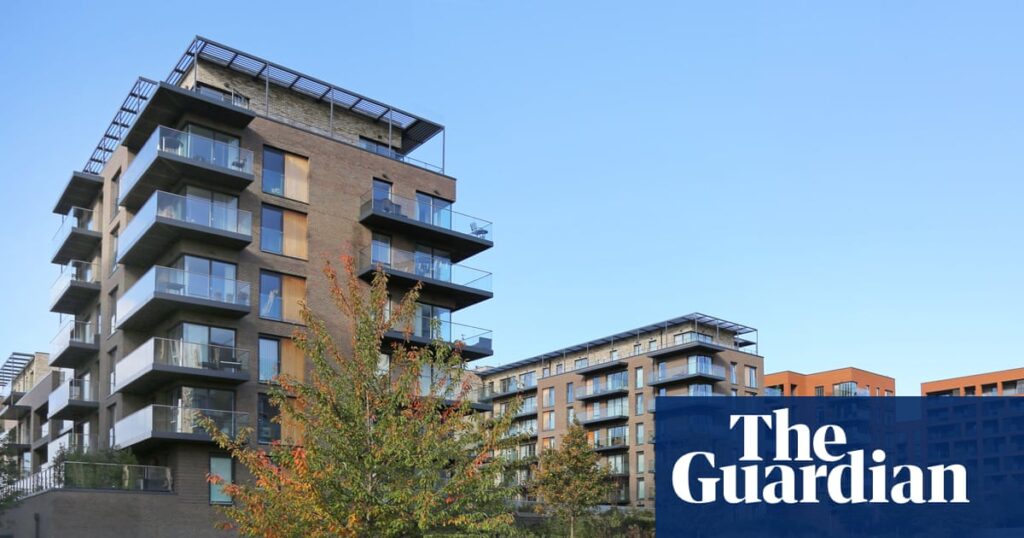
Research indicates that young first-time homebuyers in the UK are increasingly settling in areas characterized by a lack of natural green spaces. This trend is attributed to government policies that have not effectively prioritized the integration of green areas in new housing developments. A study by the Wildlife and Countryside Link notes that for every square meter of green space lost, an additional 494 first-time buyers are drawn to those regions.
The coalition is advocating for revisions to the government’s planning bill to enhance access to natural environments. Current proposals may worsen the situation by allowing developers to construct on previously protected green spaces without necessitating the establishment of compensatory nature areas nearby. This raises questions about the implications for community health and well-being, as parks and gardens created as offsets for housing developments may be situated far from the original sites.
Data analysis performed by Wildlife and Countryside Link, utilizing figures from the Office for National Statistics (ONS), revealed a statistically significant relationship between limited green spaces and increased first-time buyer rates. This trend may lead to higher levels of physical and mental health issues, particularly for those living over 800 meters from green areas, a concern highlighted during the COVID-19 lockdowns.
The charity has emphasized the need to address this growing issue, noting that one in three households in England lacks access to natural spaces within a 15-minute walk. Additionally, the most deprived communities are disproportionately affected, being more than twice as likely to be nature-deprived.
Wildlife charities are pushing for amendments to the planning bill that would ensure access to green spaces for every community, enhancing protections for existing areas and mandating the inclusion of new parks and nature areas in future developments.
Source: https://www.theguardian.com/money/2025/oct/26/young-first-time-buyers-uk-homes-green-spaces