
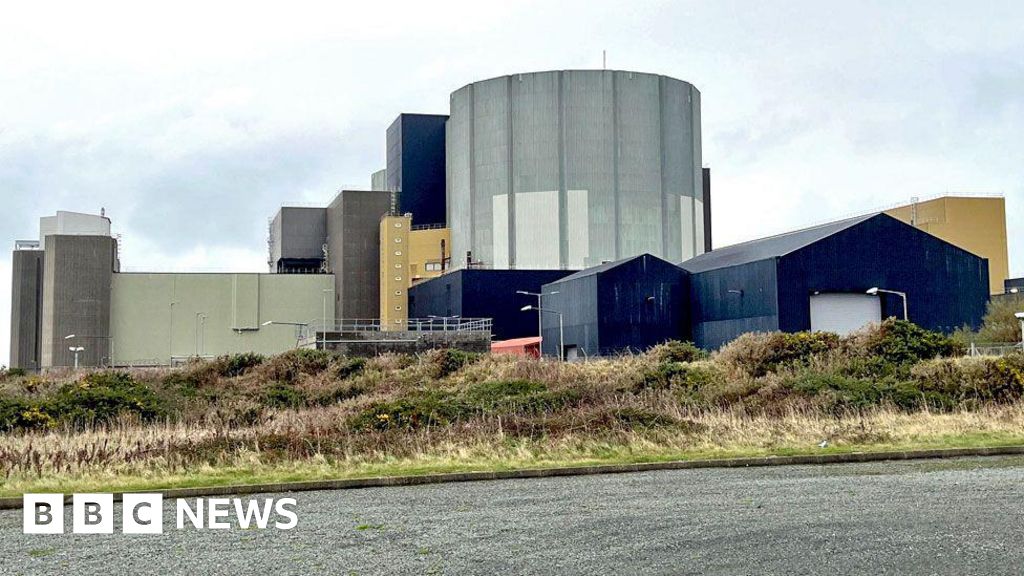
A nuclear power station is set to be constructed on Anglesey, Wales, which is expected to create up to 3,000 jobs and attract billions in investment. The facility at Wylfa will feature the UK’s first three small modular reactors (SMRs), with potential space for up to eight reactors. Construction is scheduled to begin in 2026, with the target of generating electricity by the mid-2030s.
The project has received support from various political figures. Prime Minister Sir Keir Starmer stated that the decision marks a significant change after years of neglect in nuclear energy, while First Minister Eluned Morgan highlighted the benefits for the region. The initiative is backed by a £2.5 billion investment from the UK government and aims to power around three million homes.
The company leading the project, Great British Energy-Nuclear, is also exploring locations for additional large-scale nuclear projects, similar to those at Hinkley Point in Somerset and Sizewell in Suffolk. A report on potential sites is expected by autumn 2026, with locations across the UK, including Scotland, being considered.
There are existing concerns regarding the suitability of SMRs for this site, especially since Wylfa had been previously designated as a location for a larger nuclear plant by the prior government. US Ambassador Warren Stephens expressed disappointment with the SMR decision, advocating for a larger facility, and suggested that it would more effectively address energy supply issues.
While some experts support the modular reactor approach, suggesting it aligns well with the existing infrastructure at Wylfa, others remain skeptical about unproven technologies. Critics argue that the focus should instead be on renewable energy solutions, citing the lack of a long-term nuclear waste storage facility as a significant issue. The last nuclear facility at Wylfa was decommissioned in 2015 after prior plans for a large-scale replacement were abandoned due to financial disagreements. The current situation marks a renewed effort in the UK’s nuclear ambitions amid broader infrastructure investment challenges.
Source: https://www.bbc.com/news/articles/c051y3d7myzo?at_medium=RSS&at_campaign=rss