
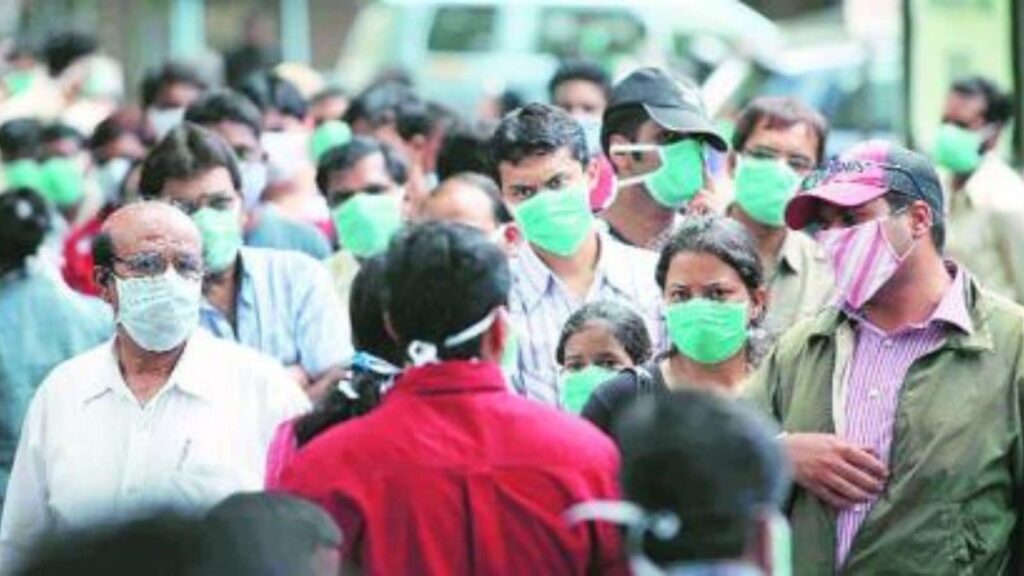
At Apollo Hospital in Delhi, an increase in patients complaining of severe respiratory symptoms has been noted. Many individuals, wearing masks and exhibiting symptoms such as high fever, cough, and malaise, are seeking medical attention. Dr. Suranjit Chatterjee, a senior consultant, attributes this surge to H3N2, a strain of the influenza virus, which has led to prolonged symptoms lasting up to two weeks. One patient, a 38-year-old software engineer, reported experiencing fever and cough after recently needing to return to the office. He expressed concern over possible contagion.
Another affected individual, a 50-year-old manufacturer from Faridabad, noted similar symptoms in himself and his teenage son, highlighting the virus’s contagious nature. Dr. Chatterjee observed that the symptoms presented this season are more severe than usual, with high fevers reaching 104°F. He explained that while slight mutations in the virus are common, H3N2 remains a subtype of Influenza A, which characteristically peaks every monsoon season and again between January and March in northern India.
Young and middle-aged adults predominately face these severe symptoms, often due to work-related stress in poorly ventilated environments. Despite the surge, most patients are recovering at home. Hospitalizations are largely limited to high-risk individuals and those with preexisting health conditions.
- Why it matters:
- The rise of H3N2 emphasizes the importance of awareness and preventive measures in workplaces to reduce viral spread.
- Increased testing and vigilance could lead to early identification and treatment of respiratory infections.
- The latest:
- Health professionals are advising patients to rest, hydrate, and avoid close contact with others to manage symptoms effectively.
Source: https://indianexpress.com/article/health-wellness/delhi-flu-influenza-virus-h3n2-fever-cough-headache-10258574/
Source: https://indianexpress.com/article/health-wellness/delhi-flu-influenza-virus-h3n2-fever-cough-headache-10258574/