
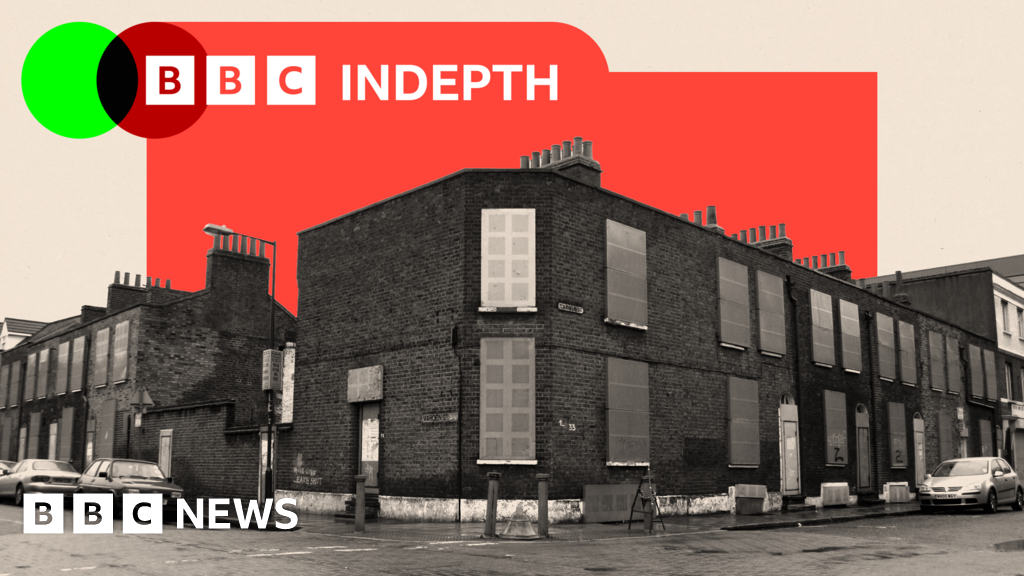
In 1980, Corina Poore, then 36 and pregnant, confronted the dismal state of a derelict house in New Cross Gate, south-east London. Despite its condition, which included dead animals and no indoor toilet, she purchased the property for £24,000, believing its issues were fixable. With a mortgage and a £3,500 grant from Lewisham Council to help with repairs, Corina transformed the home, which is now valued at approximately £1 million.
Over the past 45 years, the housing landscape has shifted dramatically. Although Lewisham Council still offers grants for improvements on empty homes—up to £20,000—the response has been tepid, with only 22 grants awarded in the last five years despite the borough having 2,253 vacant properties. Approximately 775 of these have been empty for more than six months in a time marked by a national housing crisis, evidenced by rising homelessness and long waiting lists for social housing. As of October 2024, nearly 720,000 homes in England are reported empty.
While restoring these properties could contribute significantly to increasing housing stock, the lack of action raises questions. Not all empty homes suffer from serious disrepair, yet approximately 265,000 have been empty for over six months. Long-term vacancies can contribute to community decline and even attract anti-social behavior.
The government’s previous initiatives, such as the Empty Homes Programme, had success from 2010 to 2016, reducing the number of empty homes. However, following the program’s discontinuation, the number of long-term empty homes has surged by 32% as individual councils lack a unified approach. Efforts to rehabilitate empty homes often meet obstacles, including bureaucratic hurdles and the owners’ reluctance to engage.
Despite various local strategies producing mixed results, the upcoming Labour government’s approach to tackling this issue remains uncertain. As the disparity between empty homes and housing shortages continues, a coordinated effort is essential to address this ongoing challenge.
Source: https://www.bbc.com/news/articles/c3r413l5n57o?at_medium=RSS&at_campaign=rss