
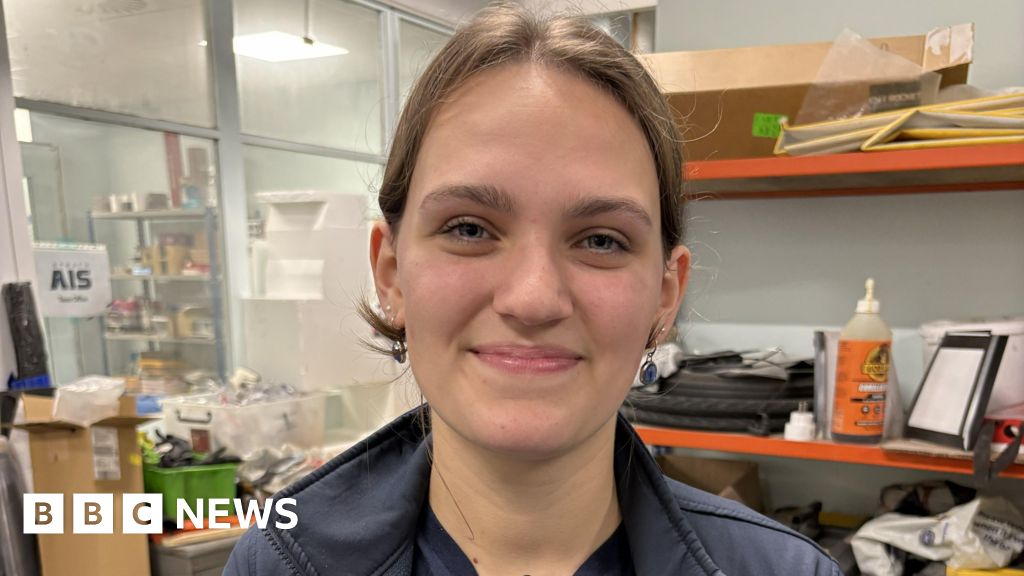
Millie Brown, a fourth-year mechanical engineering student at the University of Strathclyde, has recently become aware of the opportunities within the space industry, which she had not previously considered as a career path. Her curriculum has introduced her to the potential of Scotland as a leading player in the space sector. Currently, approximately 8,000 individuals are employed in space-related jobs in Scotland, with aspirations to increase this number to 20,000 over the next decade as the country establishes itself as a key launch site.
The first anticipated satellite launches will occur at SaxaVord in Unst, Shetland, beginning in 2026, with plans for the spaceport to conduct up to 30 launches annually. This growth in activity necessitates a significant increase in personnel. Derek Harris, the business operations manager at Skyrora, highlights a critical gap in specialized roles, such as embedded and systems engineers, as well as traditional manufacturing positions like welding. Skyrora’s workforce currently includes around 85 employees, with plans to expand to 250-300 staff as operations scale up.
Similar growth projections are seen in other Scottish space companies, including AAC Clyde Space, which has expanded significantly since its inception two decades ago. Chief Technical Officer Andrew Strain notes that the company now employs around 200 people and sources talent from local educational institutions, apprenticeships, and parallel industries.
The landscape is competitive, with approximately 230 space organizations in Scotland vying for skilled workers across sectors like renewables and oil and gas. Ingmar Kamalagharan from the UK Space Agency’s workforce development suggests that the space sector will need to double its workforce in the next ten years, reflecting its rapid growth. Students like Farboud Foroughi and Anushka Bansode aim to join this expanding field, highlighting the merging of their interests in engineering and space sciences. Dr. Christie Maddock from the university emphasizes Scotland’s significant advancements in the space sector, noting it has evolved dramatically from its early days. Future professionals face the challenge of retaining talent in a growing and competitive market.
Source: https://www.bbc.com/news/articles/c3epzvp3nxzo?at_medium=RSS&at_campaign=rss