
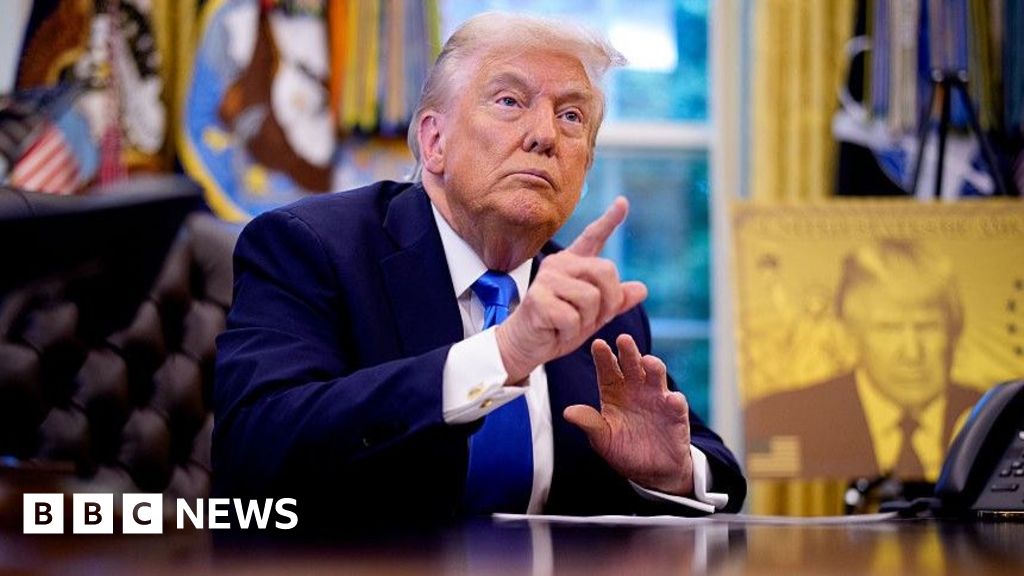
US President Donald Trump announced a substantial increase in the cost of H-1B visas, proposing a fee of $100,000 for skilled worker permits, marking an up to 50-fold increase. This announcement created immediate concern among many H-1B visa holders, particularly within the Indian community, as they constitute over 70% of H-1B recipients in recent years. In the wake of this announcement, confusion ensued, leading tech companies in Silicon Valley to advise employees against traveling outside the US, while immigration lawyers rushed to interpret the new directive.
By the following day, the White House clarified that the new fee would apply solely to new applicants and would be a one-time charge. Despite this adjustment, uncertainty remains about the future of the H-1B program, which has been both criticized for its impact on American workers and praised for attracting global talent. Over three decades, this program has provided opportunities for thousands of Indian professionals, contributing significantly to the US economy and reshaping both Indian and American workforces.
The potential consequences of the proposed fee hike could lead to a significant reduction in new H-1B applicants. If implemented, experts predict labor shortages, particularly in industries such as healthcare and technology, which already rely heavily on skilled foreign workers. Current data indicates that the median salary for new H-1B employees is $94,000, raising concerns about the viability of covering the increased fee.
Additionally, experts noted that Indian tech firms may adapt by increasing local hiring or shifting labor offshore. The broader impacts could extend beyond India, affecting various sectors in the US, especially in hospitals and educational institutions. The timing of this policy could also influence future international student recruitment in the US, as many Indian students may reconsider studying in the country given the uncertainties around employment opportunities after graduation.
Legal challenges to the fee hike are anticipated, and the overall effects may take time to fully manifest, potentially influencing the US’s position in global innovation and talent competitiveness. As companies navigate this new landscape, they may be prompted to rethink their hiring strategies and partnerships.
Source: https://www.bbc.com/news/articles/ce3yy58lj79o?at_medium=RSS&at_campaign=rss