
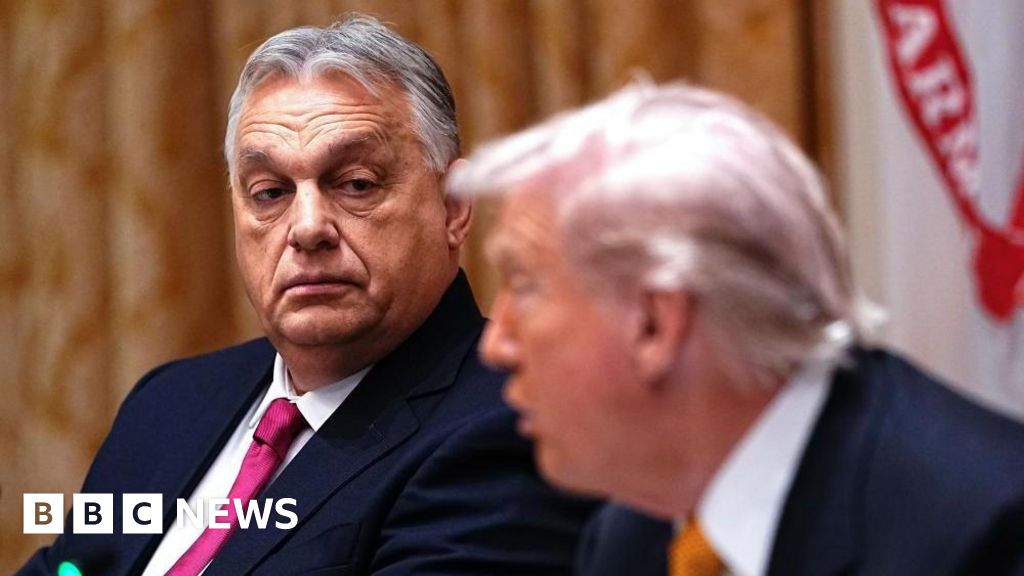
Hungarian Prime Minister Viktor Orban’s recent visit to Washington resulted in significant agreements, including a one-year exemption from US sanctions on Russian oil, gas, and nuclear supplies, alongside a hard trade deal that may present financial challenges for Hungary. This diplomatic engagement occurs just five months before Hungary’s upcoming election, prompting questions about its long-term implications.
The exemption allows Hungary to continue importing Russian energy amid EU sanctions that require member states to phase out such imports by the end of 2027. However, some analysts note that Orban’s lack of a political commitment to meet these demands contrasts with steps taken by neighboring governments. Despite this, Hungary’s energy company MOL has been adapting its facilities to process alternative oil sources, aiming to mitigate dependence on Russian supplies.
According to MOL, approximately 80% of Hungary’s oil needs could be met through imports from the Adria pipeline in Croatia, though this option incurs higher logistical costs. The Hungarian government contends its landlocked status limits alternatives, raising questions about the feasibility of diversifying energy supplies.
The US exemption provides crucial relief for Hungarian households, potentially preventing utility bills from rising drastically this winter, a significant concern for Orban’s government. Under this agreement, Hungary is also permitted to buy gas through the Turkstream pipeline and has committed to purchasing US liquefied natural gas worth $600 million.
In a notable aspect of the negotiations, Hungary is set to acquire nuclear fuel from the US for its Paks 1 power station and plans to purchase up to ten small modular nuclear reactors to support domestic energy demands, particularly for upcoming battery plants from Chinese manufacturers.
While Hungary’s agreement may enhance energy diversification, it has not resolved Orban’s overarching issues regarding the Ukraine conflict or the impact of US sanctions. Hungary’s energy landscape appears to be shifting from reliance on Russian suppliers to stronger ties with the US, although the critics argue that this constitutes a different form of dependency.
Source: https://www.bbc.com/news/articles/ckg4r193152o?at_medium=RSS&at_campaign=rss