
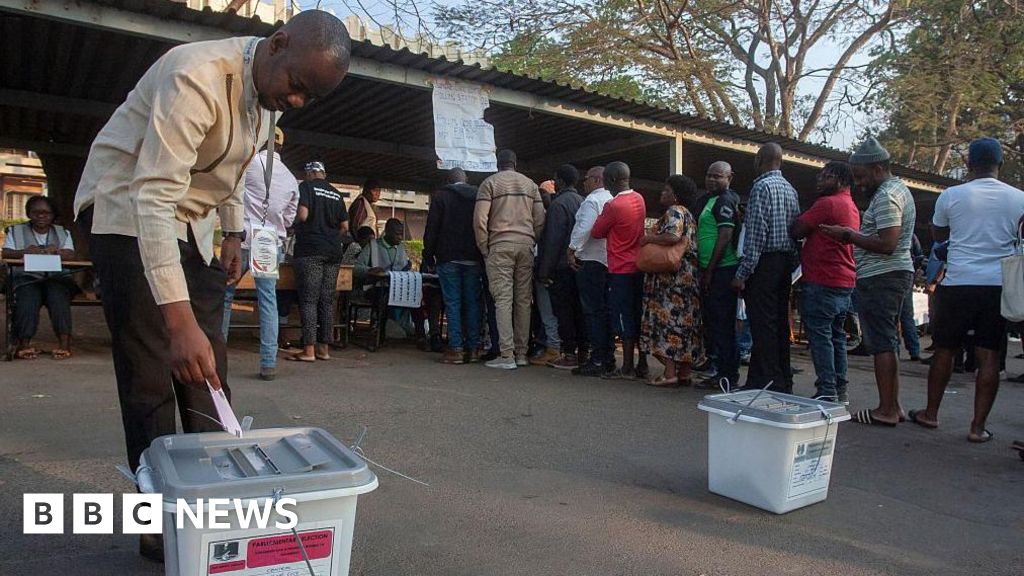
Malawi is currently engaged in presidential and parliamentary elections amidst a challenging economic backdrop. Voter turnout is paired with heightened scrutiny as citizens respond to worsening economic conditions. President Lazarus Chakwera seeks a second term, competing primarily against Peter Mutharika, a former president.
Polling in urban areas is overshadowed by significant fuel shortages, which have led to long lines at gas stations, and escalating living costs remain critical issues for voters. If none of the presidential candidates achieves more than 50% of the votes cast, a run-off election will be necessary.
Approximately 7.2 million registered voters are participating in the elections, which encompass three categories: a presidential race featuring 17 candidates, the election of 229 parliamentary representatives, and 509 local council seats. Among the candidates, Chakwera and Mutharika have previously faced off, with their rivalry marked by Chakwera’s victory in 2020 after a contentious annulled election from 2019.
Chakwera, the leader of the Malawi Congress Party (MCP), has faced challenges during his presidency, including economic instability and allegations of corruption. His administration reintroduced train services and initiated significant road projects. Mutharika, representing the Democratic Progressive Party (DPP), governed Malawi from 2014 to 2020 and encounters scrutiny related to economic performance and age.
Voters are particularly concerned about the economy, which has faced severe trials, including the impact of the 2023 Cyclone Freddy and subsequent droughts that exacerbated food insecurity. An inflation rate of 27% is alarming many citizens, with economic struggles attributed to foreign currency shortages and currency devaluation.
Corruption has also been a contentious issue, with accusations against both current and former leaders. The election process comes after the controversial 2019 election, prompting the establishment of a new voting system requiring a majority win in the first round. The electoral commission faces allegations of bias, leading to concerns regarding the integrity of the elections. Countering these, some citizens maintain faith in the electoral process, shaped by judicial actions in previous elections.
Source: https://www.bbc.com/news/articles/ckgy3g7zpl3o?at_medium=RSS&at_campaign=rss