
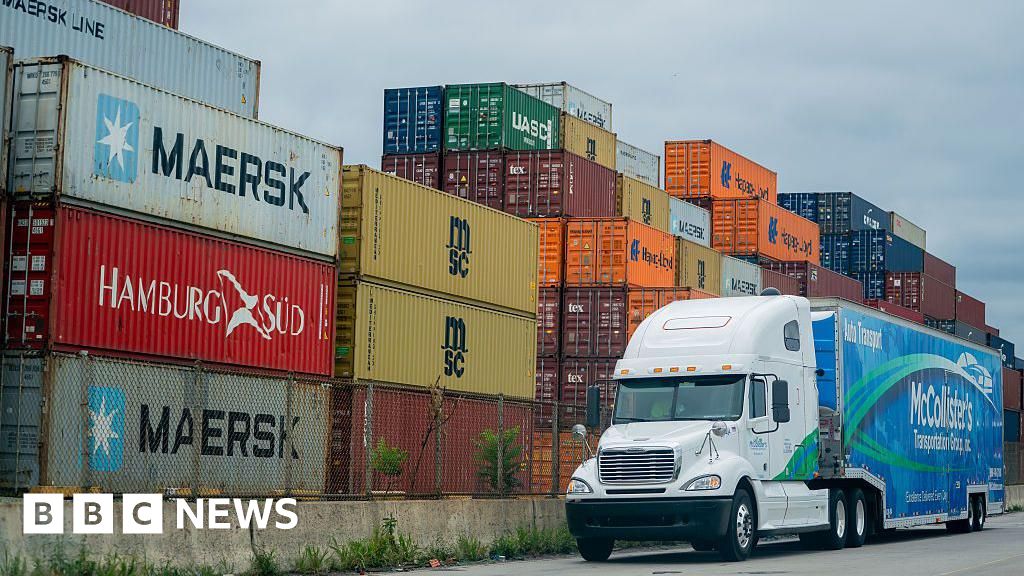
In July, US producers experienced the most significant price increase in over three years, attributed in part to additional costs arising from tariffs imposed by the Trump administration. According to data from the Labor Department, the producer price index—a measure of selling prices by producers—rose by 0.9% from June to July, following a flat performance the previous month. This increase surpassed analysts’ expectations of a 0.2% rise and is predicted to lead to higher consumer prices.
Despite this uptick in wholesale prices, consumer inflation held steady at 2.7% in July. The average effective tariff rate in the US has escalated due to the introduction of new taxes on imported goods, which the administration claims will support US manufacturers and generate government revenue. Economists have cautioned that while these tariffs may boost domestic production, they could also result in elevated costs for both businesses and consumers.
This situation may complicate potential decisions by the Federal Reserve regarding interest rate cuts. The Fed operates independently of the White House but has refrained from reducing rates this year, primarily due to concerns that such cuts, amid rising prices from tariffs, could reignite inflation. Economic challenges, including lackluster job growth and lower-than-expected inflation, have heightened calls for the Fed to reduce borrowing costs. Treasury Secretary Scott Bessent suggested a half-point cut in the key lending rate before the Fed’s next meeting in September.
The 0.9% rise in producer prices is the most substantial since June 2022 when inflation surged post-pandemic. Both wholesale prices for services, which saw a 1.1% increase, and goods, which rose by 0.7%, reflect ongoing cost pressures, particularly in sectors affected by tariffs, such as furniture and apparel. As these cost pressures cascade through the supply chain, consumers may soon feel the financial impact.
Source: https://www.bbc.com/news/articles/cp89ej4jrn9o?at_medium=RSS&at_campaign=rss