
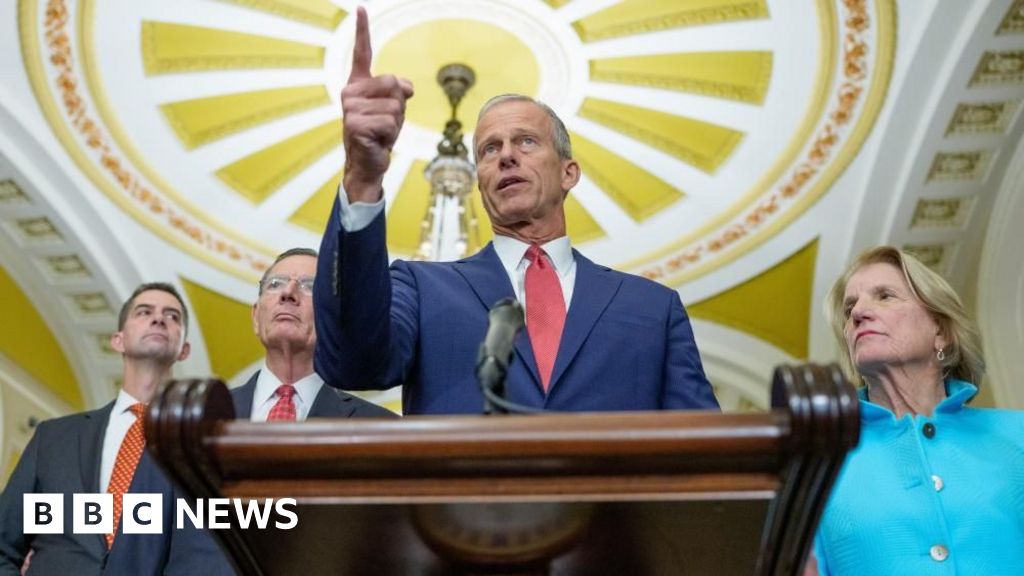
A deal designed to end the ongoing U.S. government shutdown has successfully passed the Senate, indicating potential progress after a prolonged impasse. Following extensive negotiations over the weekend, a minority of Democrats joined Republicans to support the agreement. This vote marks a procedural initial step in securing funding for the government, which ceased operations on October 1.
The current shutdown represents the longest in U.S. history, with Republican and Democratic lawmakers previously at an impasse. Since the shutdown began, many government services have been halted, affecting approximately 1.4 million federal employees who are either on unpaid leave or working without pay. The shutdown has also impacted various essential services, including air travel and food benefits for 41 million low-income Americans.
The agreement was facilitated by Senate Majority Leader John Thune and the White House, with support from three Democratic senators: Jeanne Shaheen and Maggie Hassan of New Hampshire, as well as Angus King of Maine, an independent. Republicans, holding a 53-47 majority in the Senate, required at least 60 votes to pass the measure, which attracted eight votes from Democrats, though Senator Rand Paul voted against the bill, citing concerns about national debt.
Included in the deal is a provision for a December vote regarding extending healthcare subsidies set to expire this year, an issue that Democrats emphasized during negotiations. Democratic leaders had previously insisted they would not support new government funding until Congress addressed these healthcare subsidies.
Despite the deal’s passage, some Democrats expressed concern over perceived inadequacies in the negotiations, particularly regarding healthcare issues. The middle ground reached includes appropriations to fund key agencies until January 30, alongside assurances of back pay for federal employees affected by the shutdown and continued funding for critical food assistance programs until September. However, approval from the House of Representatives remains necessary, where further challenges to the agreement may arise.
Source: https://www.bbc.com/news/articles/cpd2p2eddnzo?at_medium=RSS&at_campaign=rss