
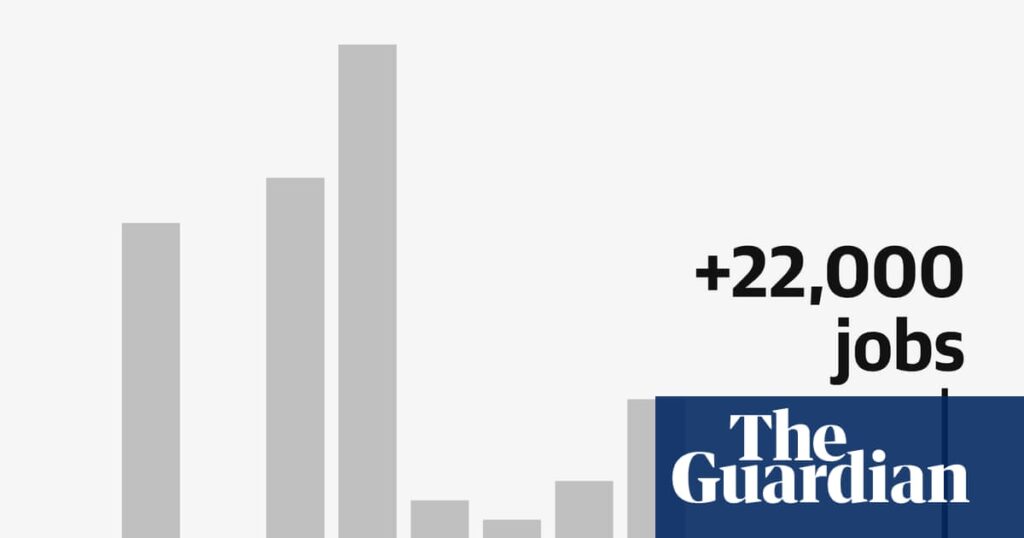
The U.S. labor market has shown signs of stagnation, with the addition of just 22,000 jobs in August, continuing a downward trend. The recent jobs report from the Bureau of Labor Statistics (BLS) revealed a loss of 13,000 jobs in June, marking the first decline in employment since December 2020. The unemployment rate for August rose to 4.3%, the highest since 2021. While the healthcare sector added 31,000 jobs, most other industries reported no growth or losses.
Key developments in the report include a decline of 15,000 federal jobs in August, totaling 97,000 jobs lost since January. The manufacturing sector experienced a drop of 12,000 jobs in August and a total decrease of 78,000 jobs for the year. Moreover, the unemployment rate for Black Americans increased to 7.5%, in contrast to 3.7% for White Americans.
July and June employment figures were revised significantly, reducing the number of new jobs created during those months by over 250,000. In particular, June’s estimate was adjusted from a gain of 14,000 to a loss of 13,000. Observers, including Fed Chair Jerome Powell, noted ongoing uncertainty in the labor market, linking potential factors such as labor shortages and economic policies.
Aside from the BLS data, the payroll firm ADP reported the addition of 54,000 private jobs in August, falling short of expectations. Job cuts also rose sharply, reaching 85,979, a 39% increase from July. Powell indicated that risks to employment are on the rise, questioning the long-term effects of current economic policies on job stability.
As these trends unfold, the Federal Reserve is closely monitoring the situation, contemplating the necessity for potential interest rate adjustments. Uncertainty remains about the impact of tariffs and immigration policies on the economy.
Source: https://www.theguardian.com/business/2025/sep/05/us-jobs-report-august-tariffs