
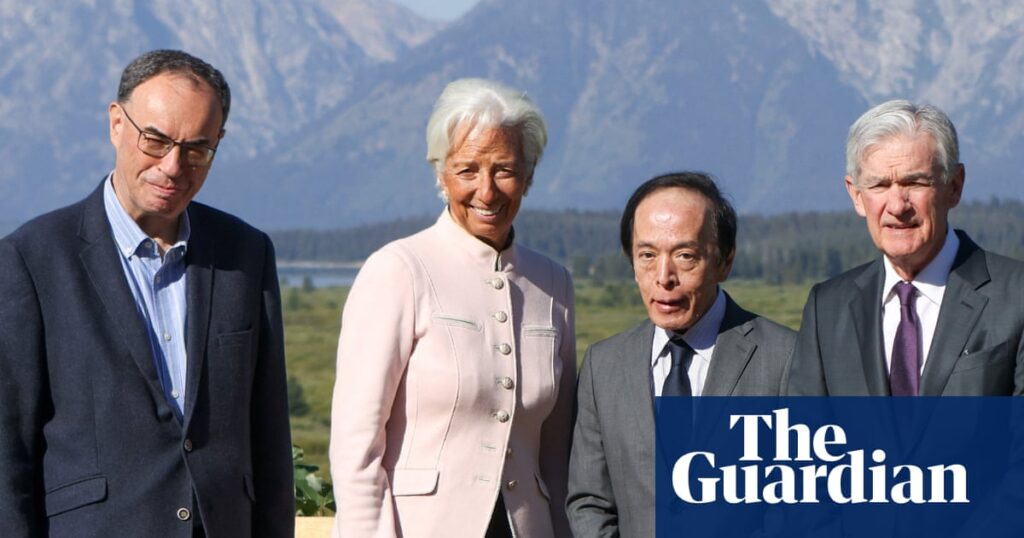
The Bank of England Governor, Andrew Bailey, has identified significant challenges facing the UK economy, including slow growth and a decline in the workforce since the COVID-19 pandemic. He noted an increase in the number of people classified as long-term sick and a notable reduction in the employment of younger individuals, suggesting a potential link between these trends and the pressures of an ageing population.
At a recent meeting of policymakers in Jackson Hole, Wyoming, Bailey emphasized the importance of improving productivity to address these issues. He indicated that demographic trends are unlikely to change in the near future, with projections that by 2040, 40% of the UK population will be over the age of 64. Consequently, the Bank of England is shifting its focus from long-term unemployment trends to labor force participation rates.
Data indicates that the percentage of individuals aged 16-64 engaging in the labor market is still below pre-pandemic levels, which contrasts with trends seen in other advanced economies. Mental health issues have been highlighted as a significant reason for labor market inactivity, which Bailey described as concerning. He acknowledged some data limitations, including low survey response rates but expressed skepticism that these issues could solely account for the decline in participation.
Despite government pledges to enhance labor force participation and spur economic growth, recent proposed reforms to disability benefits aimed at encouraging workforce participation have been rejected by MPs. Current figures show that 21% of Britons aged 16-64 are neither employed nor actively seeking work, a slight decrease from the previous year’s peak but still above pre-pandemic levels.
Additionally, reduced labor force participation is a factor contributing to concerns among Bank of England policymakers about the slow return of the UK’s inflation rate, which stood at 3.8% in July, to the targeted 2%.
Recent official data revealed that the UK economy saw unexpected growth in the second quarter of this year, despite pressures from tax increases and international trade tensions. The Office for National Statistics reported GDP growth slowed to 0.3% in the three months to June, down from 0.7% in the first quarter, raising challenges for Chancellor Rachel Reeves in her upcoming budget.
Source: https://www.theguardian.com/business/2025/aug/24/britain-acute-challenges-andrew-bailey-jackson-hole