
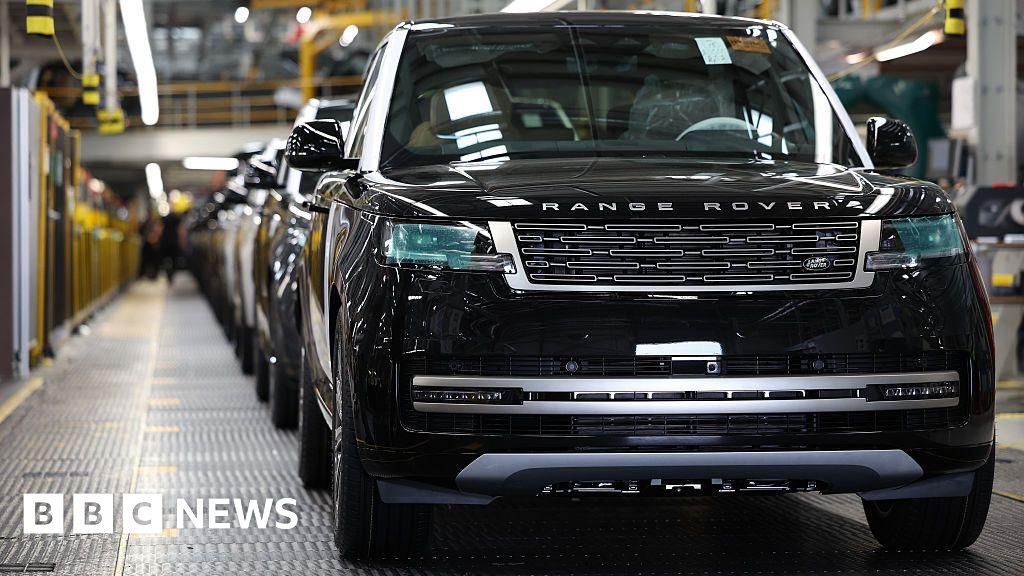
In July, sales of British-made cars to the United States increased by 6.8%, following the implementation of a new UK-US tariff agreement. This rise comes after three months of declining sales, according to data from the Society of Motor Manufacturers and Traders (SMMT). The tariff on UK cars was initially set at 25% by US President Donald Trump but was decreased to 10% and came into effect at the end of June.
The SMMT noted that the figures for July demonstrate the effects of this tariff adjustment. However, it also highlighted the ongoing challenges facing UK car manufacturing as a whole. The US remains the largest single national market for British cars, underlining the significance of the trade deal. The 10% tariff only applies to the first 100,000 cars exported to the US, which corresponds to the total number of UK cars sent to the US in the previous year. Cars exceeding this limit will be taxed at the original 25% rate.
In July, the US accounted for 18.1% of the UK’s total car exports, while the European Union represented a much larger share at 45.6%. The importance of the US market is particularly notable for premium brands such as Jaguar Land Rover (JLR), which had temporarily halted shipments in April due to the initial higher tariff but resumed exports the following month.
Despite the increase in sales, UK car manufacturing output for the year to date has decreased by 11.7%, reaching its lowest level since 1953 last month. Industry experts attribute the decline to various factors, including increased labor costs, competition from abroad, and the impacts of Brexit. SMMT chief executive Mike Hawes commented on the current state of the industry, emphasizing that while July’s growth in output is positive, broader economic uncertainties remain.
Source: https://www.bbc.com/news/articles/cvgvyv0zzj4o?at_medium=RSS&at_campaign=rss