
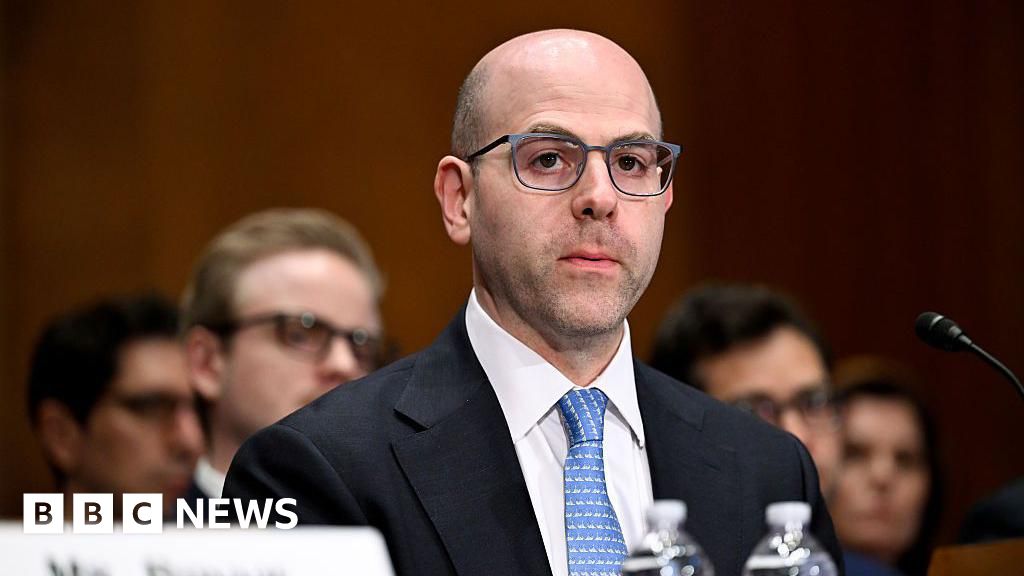
Stephen Miran, nominated by President Donald Trump to fill a vacancy on the Federal Reserve Board, stated during his confirmation hearing that he does not plan to resign from his position as chief of the Council of Economic Advisers if confirmed. This announcement has raised concerns among some Democrats, who fear that his appointment could increase presidential influence over the central bank.
Miran indicated he would take a leave of absence from his White House post, citing the temporary nature of the Fed role. He assured lawmakers of his intention to act independently if confirmed. However, he refrained from affirming that Trump lost the 2020 election, a stance that Democrats pointed to as undermining his independence.
In response to questions regarding Trump’s claims about job data manipulation and Miran’s previous recommendations concerning Federal Reserve appointments, he chose not to provide definitive answers. Senator Elizabeth Warren expressed skepticism about Miran’s potential impartiality, suggesting that he might be viewed as a “puppet” serving Trump’s interests rather than acting as an independent voice.
Miran emphasized the importance of Federal Reserve independence, claiming that he had not received directives from the White House regarding interest rate policies. He has a background in economics from Harvard and was nominated to complete the term of Adriana Kugler, who resigned from the board earlier than anticipated.
The backdrop for Miran’s nomination includes ongoing pressure from Trump on the Federal Reserve to lower interest rates. Economists have expressed concerns that such pressures could harm the bank’s credibility, which is essential for maintaining price stability and employment.
While Republicans generally appear supportive of Miran, Democratic lawmakers have questioned his dual role in the White House and the Fed. Some have indicated that this could signal a responsive relationship to presidential demands. Miran responded that he would resign from his White House position if nominated for a longer Fed term. His nomination is expected to proceed to a Senate vote, highlighting the ongoing discussion about the balance between political influence and central bank independence.
Source: https://www.bbc.com/news/articles/c5yq3z2xd01o?at_medium=RSS&at_campaign=rss