
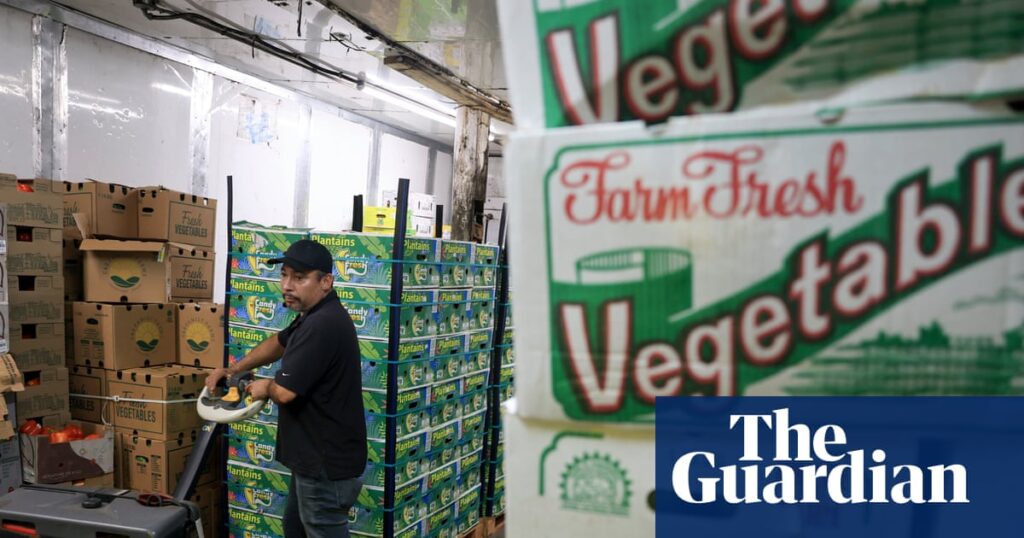
On Friday, Donald Trump signed an executive order aimed at reducing tariffs on food imports such as beef, tomatoes, coffee, and bananas. This decision comes in response to rising concerns about increasing consumer costs. The new tariff exemptions will be effective retroactively from midnight on Thursday and represent a notable shift from Trump’s long-standing assertion that his tariffs do not contribute to inflation.
This move follows recent electoral successes for Democrats in various state and local elections, highlighting affordability as a key issue. Earlier, Trump claimed via social media that costs under his administration were decreasing. In a recent interview, he insisted there is currently no inflation, attributing any inflation concerns to policies enacted by President Joe Biden, who he stated did not impose tariffs.
According to a White House factsheet, the administration argued that modifying the tariffs is necessary due to progress in trade negotiations and aims to strengthen the U.S. economy and national security. Trump had previously implemented a 10% base tariff on imports from all countries earlier this year, alongside additional varying duties.
The announcement comes shortly after a trade agreement was made to reduce tariffs on Swiss imports significantly and to eliminate certain tariffs on food imports from Argentina, Ecuador, Guatemala, and El Salvador, pending finalization of those deals.
Concerns persist among consumers regarding elevated grocery prices, which experts suggest have been partly influenced by the existing import tariffs. A recent poll indicated that a majority of Americans reported increased monthly expenses.
In response to these developments, Democratic leaders, including Richard Neal of the House Ways and Means Committee, criticized the Trump administration’s actions, arguing that it is acknowledging problems created by its own trade policies.
Source: https://www.theguardian.com/us-news/2025/nov/14/trump-tariffs-food