
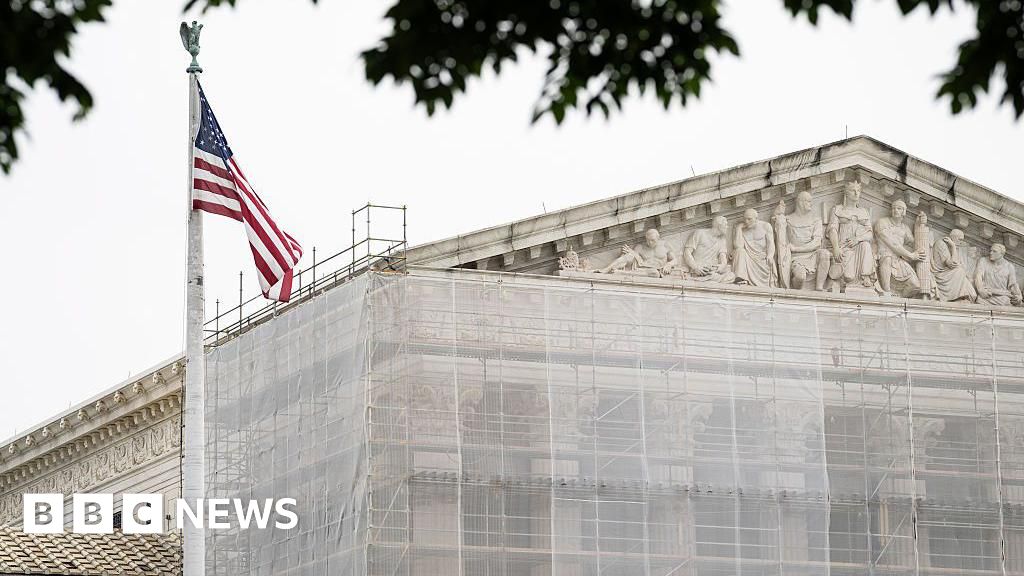
President Donald Trump has petitioned the US Supreme Court to reverse a recent ruling by the US Court of Appeals for the Federal Circuit, which declared many of his tariffs unlawful. This ruling stated that the tariffs, implemented under the International Emergency Economic Powers Act (IEEPA), exceeded the president’s authority and represented a power traditionally reserved for Congress.
The appellate court’s decision, which was split 7-4, indicated that setting tariffs falls within the scope of Congressional powers rather than executive action, raising questions about the extent of presidential authority in trade matters. The ruling came as a result of lawsuits from small businesses and various states opposing the imposition of these tariffs. If the Supreme Court declines to hear the case, the appellate decision will go into effect on October 14, which could result in the US needing to refund billions of dollars collected from tariffs.
In justifying the tariffs, Trump argued that they were necessary to address a trade imbalance that he claimed threatened domestic manufacturing and national security. In April, he declared an economic emergency to support his decision to impose a baseline 10% tariff, as well as additional “reciprocal” tariffs on more than 90 countries. The appellate ruling also invalidated tariffs on imports from Canada, Mexico, and China, which had been positioned as measures to combat drug imports.
While the recent appellate decision has temporarily halted the implementation of these tariffs, separate duties on steel and aluminum remain unaffected as they were imposed under different presidential authorities. The implications of this legal dispute extend to ongoing trade negotiations and the administration’s broader economic strategy.
Source: https://www.bbc.com/news/articles/cx209ew4nz7o?at_medium=RSS&at_campaign=rss