
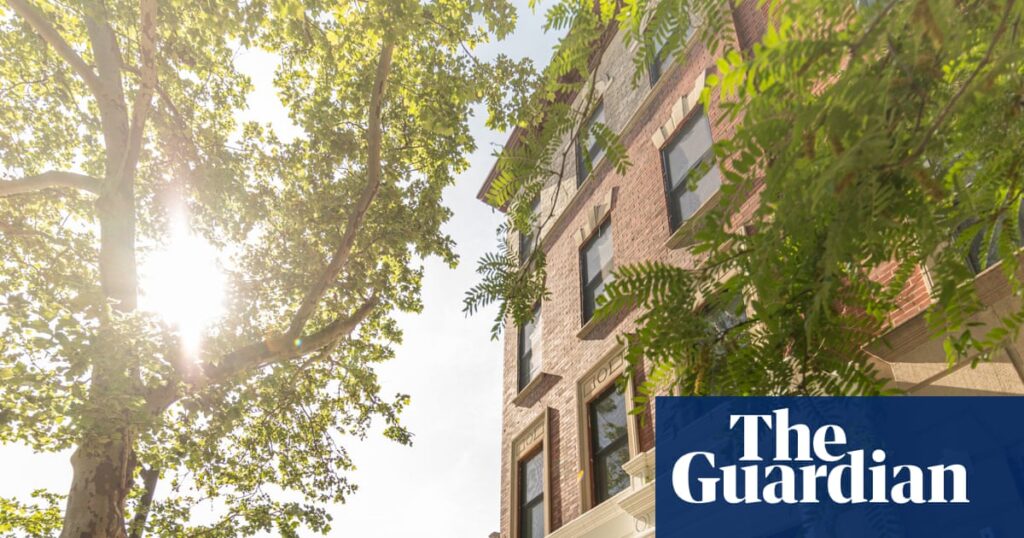
In Crown Heights, Brooklyn, a property management company called Cohabs has opened a 19-bed co-living complex known as Crown 120, offering rooms as small as 74 square feet for approximately $1,900 per month. The site was formerly the Kingston Lounge, a jazz club, and its redevelopment has raised concerns about cultural erasure and gentrification in the neighborhood.
During a May 2023 land use meeting where the project was discussed, local residents expressed apprehension about the impact of such developments on the community. More specifically, Sarah Lazur, a member of Brooklyn Community Board 8, emphasized that the community’s history is intertwined with its people, not just its buildings. Co-living spaces, which function similarly to college dormitories with shared amenities, are often appealing to younger renters due to their community-oriented focus and flexible leases. However, long-standing residents view them as contributing little to the overall stability and health of the neighborhood.
Despite local opposition, Crown 120 received approval, part of a growing trend of co-living spaces across New York City. These developments are often located in traditionally working-class areas, worrying existing residents about potential displacement and loss of community.
Elisa Richou, Cohabs’ head of partnerships, stated that the company aims to create connections and foster community. Within five years of launching in New York, Cohabs has developed 23 properties, primarily targeting younger professionals, many from abroad, who are looking for short-term housing solutions. However, the average stay at these sites is around 11 months, raising questions about their impact on community cohesion.
Concerns have also been noted regarding rising rents due to the conversion of single-family homes into co-living units, with real estate experts pointing to established neighborhoods becoming increasingly desirable. Community leaders have stated that developments like Cohabs may hinder the long-term sustainability of these neighborhoods.
Cohabs has claimed to engage with local communities before opening new sites to mitigate fears of gentrification. However, some tenants recognize the challenges posed by co-living arrangements, describing them as isolated from the rich history of the communities they inhabit. Meanwhile, the overall housing demand in New York City continues to surpass supply, prompting discussions about the need for regulatory measures in co-living developments to prevent potential tenant abuses.
Source: https://www.theguardian.com/us-news/2025/sep/21/co-living-spaces-nyc-gentrification