
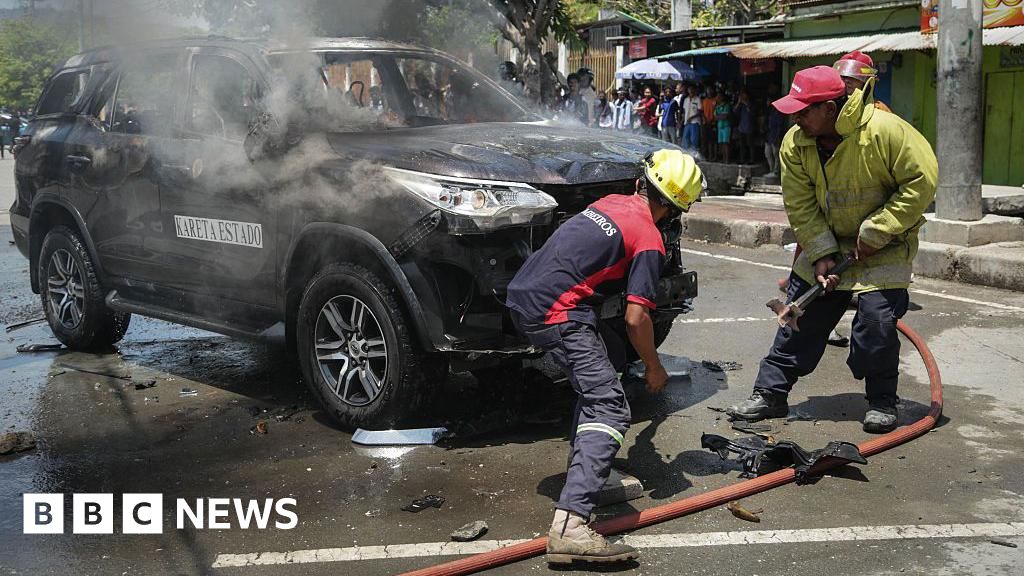
Timor-Leste has abandoned its plan to provide free cars to lawmakers following extensive public protests. On Tuesday, demonstrators took to the streets in Dili, lighting tires on fire and even setting a government vehicle ablaze, prompting police to respond with tear gas. In response to the unrest, the government decided to cancel the car provision plan.
Reports indicate that protests continued on Wednesday, with around 2,000 participants rallying in Dili. While the initial outcry was specifically against the car provision, the protests have now broadened to include demands for the repeal of lifetime pensions for former lawmakers.
Timor-Leste is experiencing a wave of protests similar to those in other parts of Asia, where young activists have voiced their frustrations about the perceived extravagances of politicians. Lawmakers in Timor-Leste earn an annual salary of approximately $36,000, significantly higher than the national average income of around $3,000, as noted in a 2021 government report.
Cezario Cesar, a protest leader, cited long-standing opposition to the plan for providing cars, with public protests having occurred intermittently since the early 2000s. In 2008, several students were arrested for opposing a previous initiative to allocate $1 million for new vehicles for MPs. Cesar highlighted that the current unrest is fueled by broader discontent over issues such as inequity, unemployment, and inadequate public services.
On Tuesday, members of Parliament unanimously voted to abandon plans to purchase new Toyota Prado SUVs for the 65 MPs. Nevertheless, skepticism remains among protesters, some of whom fear that the cars may still be forthcoming.
Timor-Leste has a predominantly young population, with over 70% under the age of 35. Although it is often regarded as a democratic success story in Southeast Asia, the country grapples with significant poverty. Recent protests have drawn comparisons to similar movements in neighboring countries, where public sentiment is increasingly directed against political elites.
Source: https://www.bbc.com/news/articles/cy4ry7vpkdeo?at_medium=RSS&at_campaign=rss