
Researchers have been developing laboratory models of organs and embryos by cultivating groups of cells into tiny three-dimensional structures. This approach allows for the study of organ development, functioning, and drug testing. These models can be personalized using a person’s own cells, offering a way to simulate their specific organs. Some scientists have successfully created organoids that replicate the development of fetuses.
The UK government strategy acknowledges the potential of artificial intelligence (AI) in scientific research. Many researchers are utilizing AI to analyze large databases and uncover connections among genes, proteins, and diseases. Additionally, some are employing AI to design new drugs.
These newly designed drugs could be assessed using virtual human models created from digital reconstructions of organs. Biomedical engineers have already developed digital twins of organs, with ongoing trials utilizing digital hearts to assist surgeons in understanding surgical procedures on real hearts. Natalia Trayanova, a biomedical engineering professor involved in one of these trials, has created a model that suggests specific regions of heart tissue for targeted treatment of conditions like atrial fibrillation.
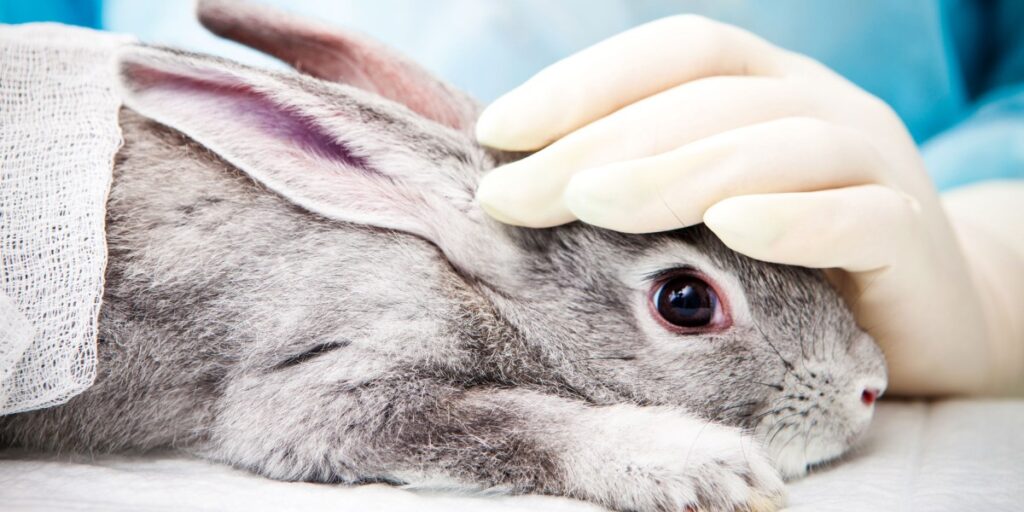
Despite these advancements, it is improbable that animal testing will be entirely eliminated by 2030. The UK government indicates that many regulators, including the FDA and the European Medicines Agency, still require animal testing for approval processes. While alternatives to animal testing have significantly progressed, none yield a perfect replica of human physiological responses to treatments.
While there have been notable advancements in the search for alternatives, the complete replacement of animal testing remains a challenge. Nonetheless, given recent developments, future possibilities without animal testing may become more viable.
Source: https://www.technologyreview.com/2025/11/14/1127949/technologies-could-stop-animal-testing/