
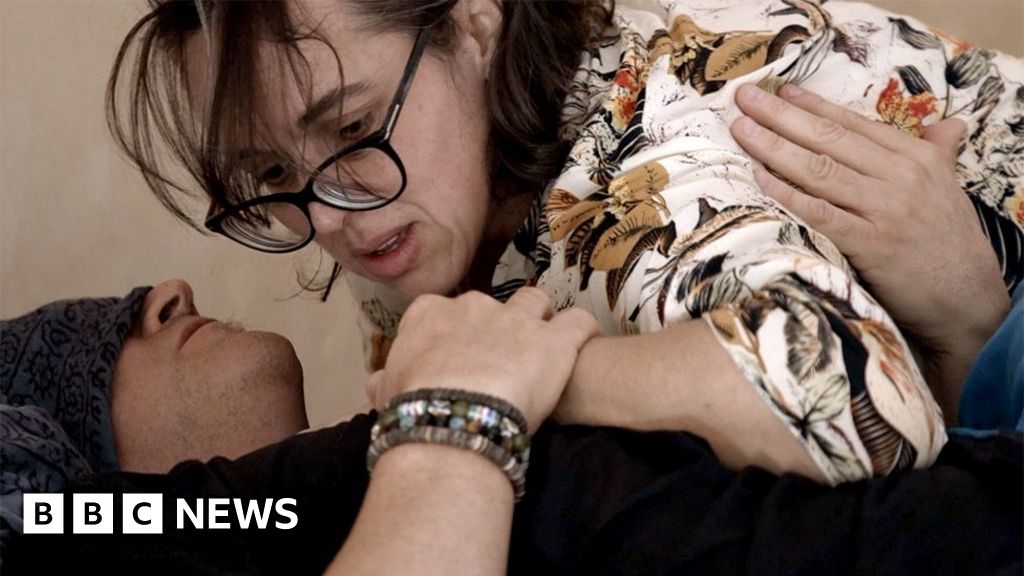
In South Africa, psychedelic drugs remain illegal, yet various self-identified healers and shamans in Cape Town are promoting their use in therapeutic contexts. Under current laws, individuals convicted for the commercial use of these substances may face hefty fines or prison sentences of up to 25 years. Despite these prohibitions, some individuals, like photographer Stuart Dods, are turning to psychedelics like psilocybin and MDMA for mental health treatment, citing personal experiences of loss as catalysts for seeking alternative healing methods.
Dods is participating in a guided session that costs approximately $2,000 (£1,500), which includes accommodation and support services. He has previously attempted conventional medication for his mental health issues and believes psychedelics may hold the key to his healing. The session is coordinated by Megan Hardy, who describes herself as a “medicine woman.” Prior to administering the drugs, she also consumes smaller doses to align with the energy of her clients. Hardy acknowledges the drugs’ illegality but frames their use as a form of “righteous civil disobedience.”
While there is increasing interest in the potential therapeutic applications of psychedelics, experts warn about the risks of unregulated usage. Dr. Marcelle Stastny of the South African Society of Psychiatrists emphasizes the importance of being in a clear state of mind to give informed consent during drug use. A recent study indicated that psilocybin might alleviate symptoms of depression, but regulatory bodies have recommended additional clinical evidence before broadening its availability.
In various reported incidents, including a case involving Ibogaine, a powerful but illegal psychedelic, adverse reactions have resulted in significant harm, raising further concerns about the safety and regulation of these treatments in unregulated environments. The growing interest in these practices and their implications on mental health treatment present both opportunities and challenges within the evolving landscape of mental health care in South Africa.
Source: https://www.bbc.com/news/articles/ce329z0qv91o?at_medium=RSS&at_campaign=rss