
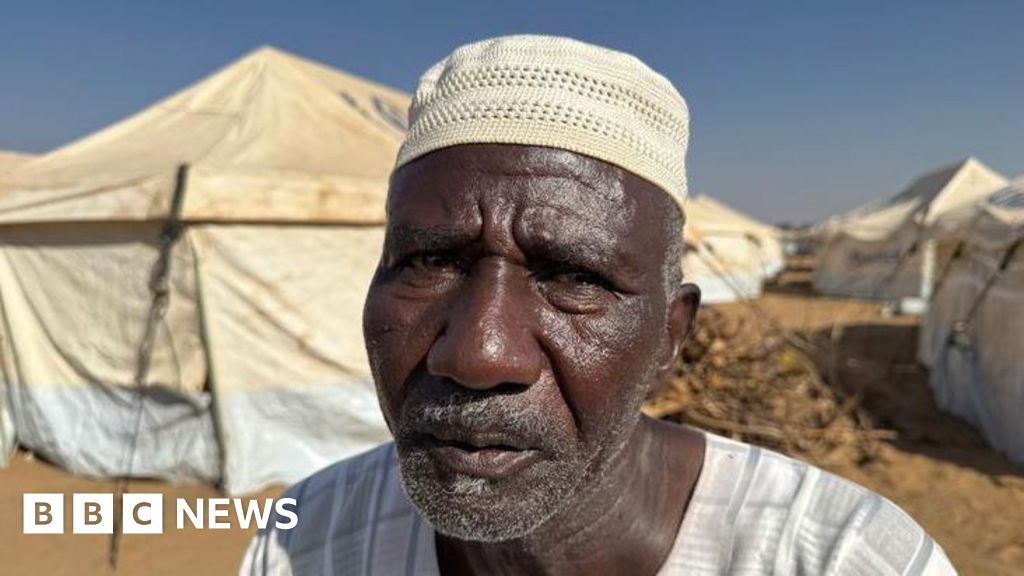
Abdulqadir Abdullah Ali, a 62-year-old resident of el-Fasher, Sudan, has been significantly affected by the ongoing conflict, suffering serious nerve damage to his leg due to a lack of access to diabetes medication during the city’s prolonged siege. Following the capture of el-Fasher by the paramilitary Rapid Support Forces (RSF), he described a scene of chaos and violence as civilians fled for their lives amid gunfire.
The city, which fell after an 18-month siege, represents a grim episode in Sudan’s civil war, which has intensified since April 2023 due to a power struggle between the RSF and the regular army. The RSF’s takeover of el-Fasher has been both a strategic victory and a source of accusations of mass atrocities, drawing the attention of international observers and prompting calls for intervention.
During a visit to an army-controlled tent camp near al-Dabbah, journalists reported on the experiences of those displaced by the conflict. Many who escaped described harrowing encounters with RSF fighters, including reports of live ammunition being fired at civilians and accounts of sexual violence against women.
Among the displaced, Mr. Ali described witnessing attacks on civilians, while Mohammed Abbaker Adam, a local official, corroborated reports of violence, including the shooting of men separated from women and children. As families fled, they faced further dangers and challenges, such as thieves on the road and brutal checkpoint interrogations.
While some managed to find refuge in humanitarian hubs, the United Nations estimates that almost half of the 260,000 residents who lived in el-Fasher before its fall are unaccounted for. Aid organizations have raised concerns about the widespread abuses reported by fleeing civilians, which the RSF has largely denied, attributing allegations to political motives.
In light of this fueled conflict and the rising number of displaced individuals, the future remains uncertain for those affected, as many continue to grapple with the tragedy and chaos that has engulfed their lives.
Source: https://www.bbc.com/news/articles/cpvdn8pmmd1o?at_medium=RSS&at_campaign=rss