
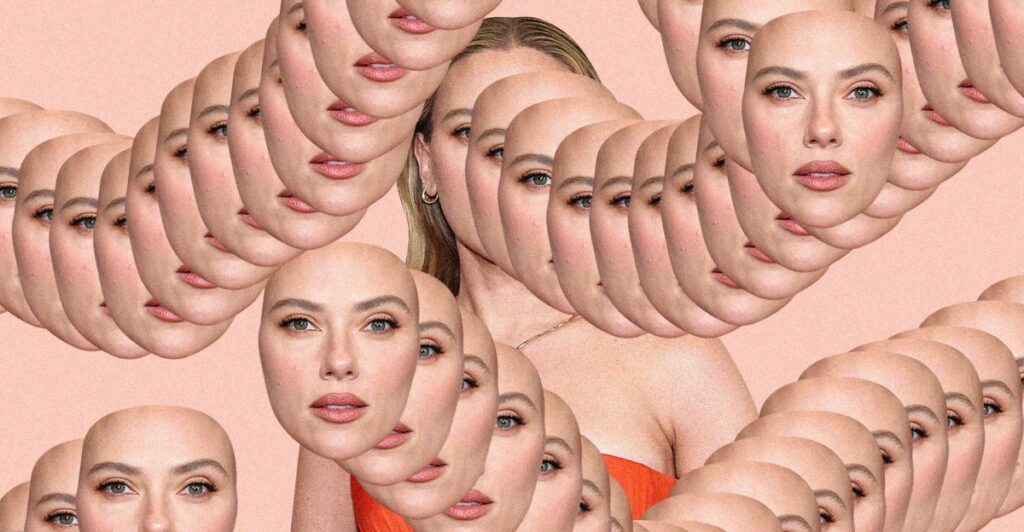
In 2023, the release of the AI-generated song “Heart on My Sleeve” raised significant legal and cultural questions regarding the use of artists’ likenesses and voices in technology. Initially viewed as a novelty, the song closely imitated the style of artist Drake, leading to its removal from streaming services under copyright grounds. This event highlighted ambiguity surrounding likeness law, a legal domain that traditionally addressed unauthorized endorsements and parodies but is now increasingly relevant as AI technology evolves.
Unlike copyright, which has federal regulations, likeness law is characterized by varying state laws, many of which predate AI. Recently, legislative movements in states like Tennessee and California have sought to improve protections against unauthorized digital replicas of entertainers. Despite these efforts, legal responses have generally lagged behind technological advancements. For instance, the launch of OpenAI’s video generation platform, Sora, sparked concerns over the creation of deepfakes, including those of individuals without their consent.
OpenAI maintains it has implemented measures to restrict misuse of likenesses, but these measures faced scrutiny after complaints from public figures regarding inappropriate depictions. Some authorized participants in Sora reported discomfort with the way their likenesses were utilized, bringing to light broader societal implications regarding digital representation and consent.
As legal standards evolve, calls for nationwide protections are gaining traction, exemplified by the proposed Nurture Originals, Foster Art, and Keep Entertainment Safe (NO FAKES) Act, which aims to codify rights over digital likenesses. However, the act has faced opposition from free speech advocates, raising concerns about potential overreach and censorship.
This evolving landscape underscores the pressing need to define ethical standards and legal frameworks governing the use of AI in generating digital content.
Source: https://www.theverge.com/column/805821/the-next-legal-frontier-is-your-face-and-ai