
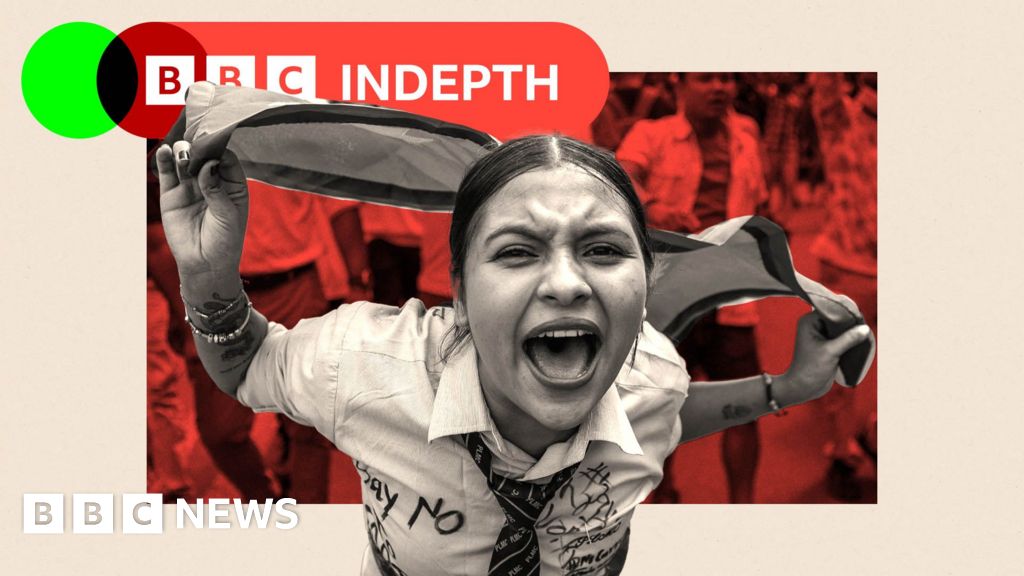
In May, a wedding in Bhaktapur, Nepal, sparked significant public outcry, particularly from 23-year-old activist Aditya. He encountered complaints on social media regarding extensive traffic disruptions caused by the high-profile event, allegedly attended by the Nepalese prime minister. Although these claims were never verified and the politician denied misuse of state resources, they fueled Aditya’s discontent, leading him to perceive the situation as emblematic of broader corruption and social inequality.
In the following months, Aditya observed similar displays of wealth on social media by politicians’ families, which included luxurious gifts and extravagant lifestyles. This growing frustration culminated in massive protests beginning on September 8, where thousands of young people, including Aditya and his friends, took to the streets in Kathmandu. Despite the government’s heavy-handed response, which resulted in clashes and significant casualties—over 70 deaths—the demonstrations led to Prime Minister KP Sharma Oli’s resignation.
This wave of protests was not isolated to Nepal but part of a broader regional trend among young people across Asia, who are increasingly vocal about perceived government corruption. The use of social media platforms played a crucial role in organizing these movements, as activists utilized tools like AI and technology to share their messages across regions.
Criticism has particularly targeted the so-called “nepo kids,” children of politicians seen as benefitting from their parents’ privileged status, symbolizing entrenched inequality. In response to the unrest, some governments, including Indonesia’s, have begun to address specific grievances, such as controversial allowances for lawmakers.
As protests have resulted in violence and destruction, questions arise regarding the potential for meaningful change in these societies and the sustainable direction of these youth-led movements.
Source: https://www.bbc.com/news/articles/cn4ljv39em7o?at_medium=RSS&at_campaign=rss