
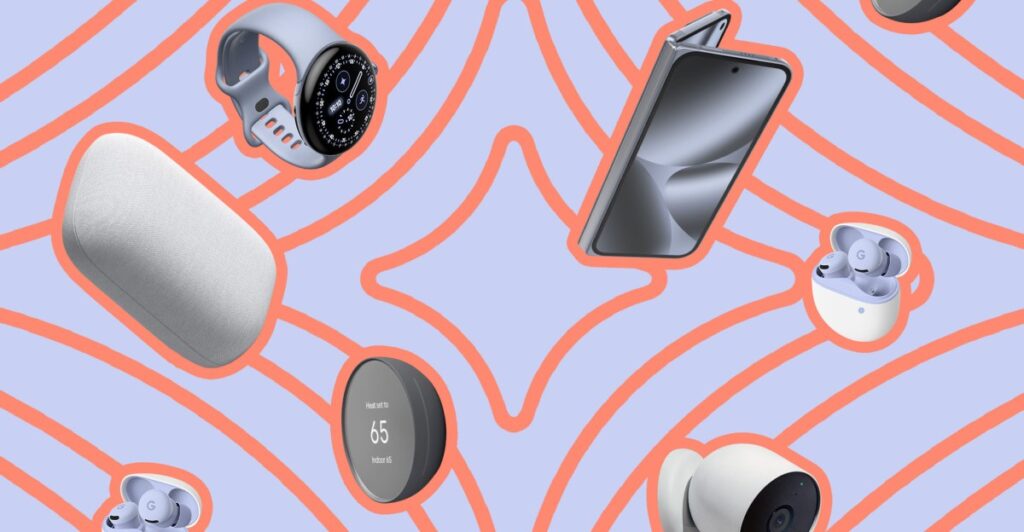
In an era where technology increasingly demands multiple devices, a recent Made by Google event showcased the company’s latest offerings, including four smartphones, a smartwatch, and earbuds. This reflects a trend of “gadget maximalism,” where consumers often carry numerous devices, each serving different purposes. The persistent hope among users is for a singular, multifunctional device to replace their mobile phones. However, insights from the event suggest that companies, including Google, are moving in the opposite direction.
During the presentation, Google focused on how artificial intelligence (AI) will integrate into various device categories rather than condensing them. AI appears to be geared toward enhancing the functionality of individual devices, which may lead to a proliferation of gadgets rather than a simplification. This shift is especially evident in wearables, as Google views them as critical in providing continuous data for personal insights. Wearable technology, once seen as stagnant, is now being explored as a frontier for AI advancements—a transformation that aims to make devices more responsive and personalized.
Google’s executives, including Sandeep Waraich, emphasized the evolving nature of wearables from merely collecting data to offering personalized insights. Consumers may view this as beneficial, but there are questions regarding the practicality of increasing the number of devices while aiming for greater user comfort. This notion is echoed by comments from Rishi Chandra, a Google VP, who mentioned that no single device type is expected to dominate the market. Instead, there is a collaborative approach to ensure devices can work together effectively.
Despite the potential benefits of integrating AI into diverse gadgets, skepticism lingers over whether adding more hardware truly alleviates the stress associated with digital overload. As smartphones age and user upgrade cycles lengthen, the direction of technology and consumer preference remains a topic of discussion among both industry experts and consumers.
Source: https://www.theverge.com/report/767765/ai-hardware-google-pixel-gemini-wearables-ambient-computing