
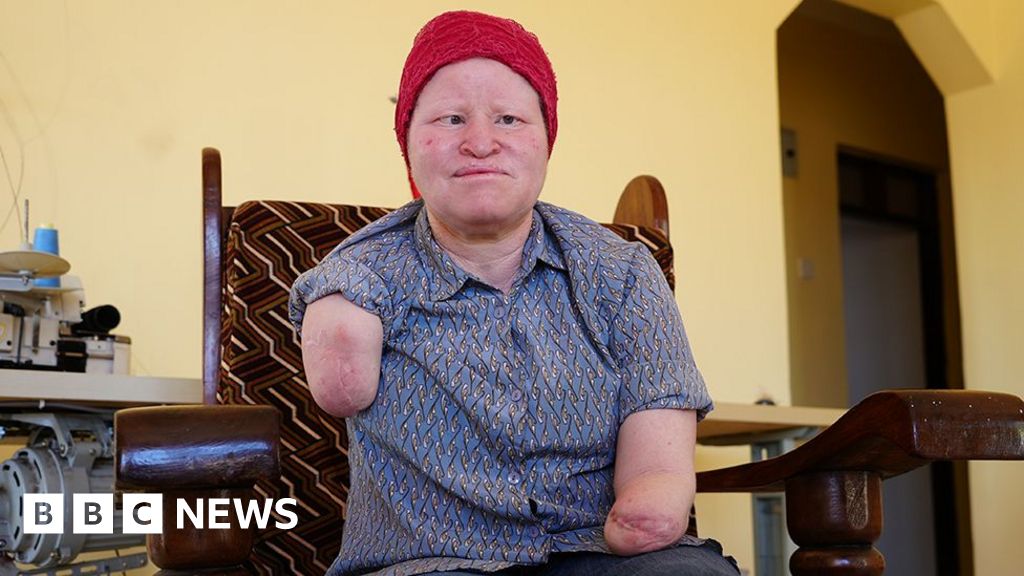
In Tanzania, the approaching election period is met with heightened fear among individuals with albinism, such as Mariam Staford, a 42-year-old survivor of a violent attack in 2008. Although elections typically invoke hopes for democratic participation, for people with albinism, they often lead to a surge in targeted violence, driven by superstitions that their body parts bring wealth or success.
Mariam, who has lost both arms due to an attack, described her experiences during election seasons as overwhelmingly frightening. She highlighted that such killings of individuals with albinism occur particularly around election time, when beliefs in witchcraft intensify. Despite being a survivor, the traumatic memories of her assault linger, influencing her decision to avoid electoral participation altogether.
In Tanzania, an estimated 30,000 individuals are affected by albinism, facing significant risk around election times. Statistics from the organization Under The Same Sun indicate that since 2008, there have been 211 attacks on individuals with albinism, resulting in 79 deaths and numerous injuries. Public awareness campaigns and changes in law have attempted to address these heinous crimes after widespread international condemnation of the violence.
Recent attacks have had a lasting emotional impact on families, with the case of a two-year-old girl murdered last year serving as a painful reminder of ongoing dangers. Local officials, such as district commissioner Senyi Ngaga, acknowledge the need for community involvement to combat superstitions and protect vulnerable populations.
While progress is being made in awareness and legislation, many activists and survivors like Mariam believe more comprehensive efforts are necessary to ensure safety for those with albinism in Tanzania.
Source: https://www.bbc.com/news/articles/cdx4g2pke12o?at_medium=RSS&at_campaign=rss