
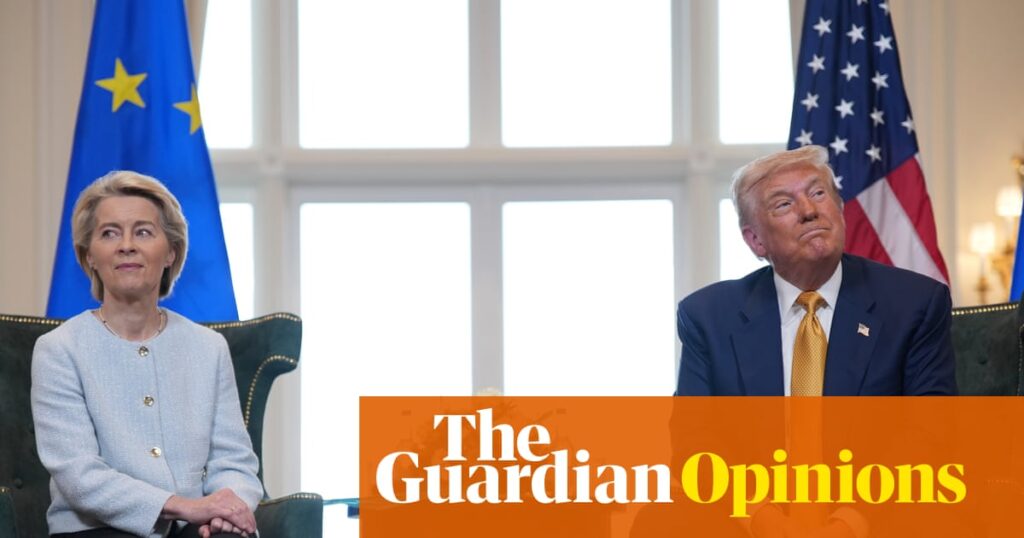
Fresh threats of sanctions targeting Europe and officials enforcing the Digital Services Act (DSA) have emerged from the United States. These sanctions would introduce new trade barriers and unprecedented export restrictions. The DSA is a critical European regulation governing tech platforms and digital operations.
The imposition of such sanctions raises questions about the European response to external pressures that challenge its sovereignty and regulatory frameworks, particularly the DSA and the Digital Markets Act (DMA). Both regulations were recently passed by the European Parliament with significant support, reflecting a collective commitment to uphold democratic norms and the rule of law in the digital space.
A marked divergence in digital regulation between Europe and the United States is becoming increasingly apparent. Major American tech firms may be leveraging this gap to their advantage. The regulation of digital spaces was likened to historical governance of physical territory, as states have consistently sought to exercise sovereignty over various domains, including the digital arena.
The DMA and DSA represent efforts by Europe to extend social and democratic norms into the digital landscape. Europe emphasizes that regulation will not impede freedom of expression and insists that its laws must be respected by any platforms wishing to operate in its market. Non-compliance could lead to significant sanctions.
Recent trade negotiations between the EU and the US have indicated a disparity in treatment compared to Canada and Mexico, which have managed favorable terms. The EU accepted a 15% tariff on its exports while securing zero tariffs on most US imports. This arrangement raises concerns about the long-term implications for European interests.
There are also significant commitments involved, such as Europe’s obligation to purchase $750 billion in US energy and to invest $200 billion annually in the US economy. This leads to questions about the effectiveness of these negotiations and whether they truly reflect Europe’s best interests. Ultimately, the current geopolitical landscape calls for a reassessment of Europe’s regulatory stance and responses to external pressures.
Source: https://www.theguardian.com/commentisfree/2025/aug/28/eu-donald-trump-tariffs-us-europe-tech