
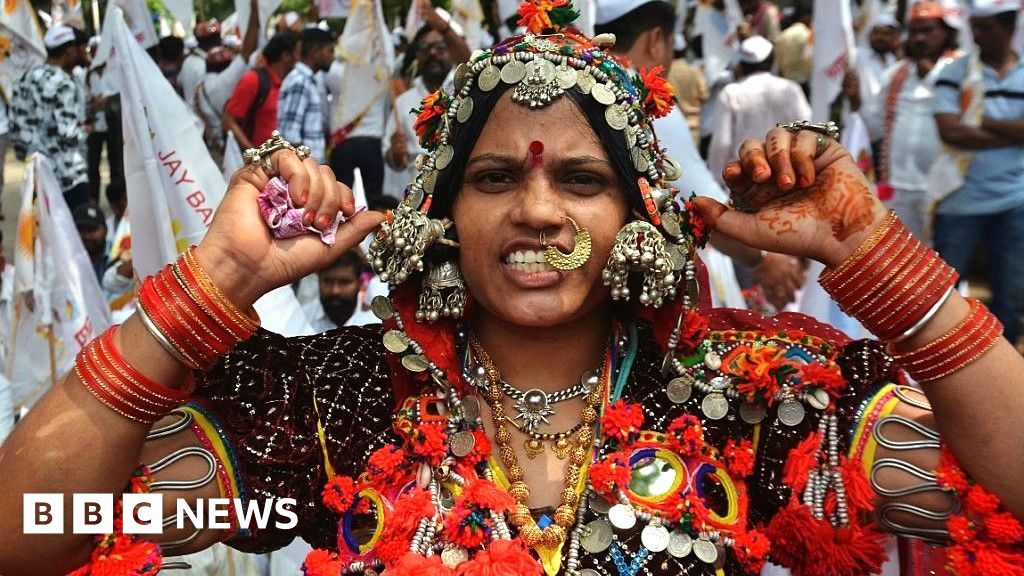
Members of the Banjara community in Maharashtra recently gathered in Thane to advocate for their demands, which include the implementation of the Hyderabad Gazette and their inclusion in the Scheduled Tribes (ST) category. This gathering is part of their efforts to secure reservation benefits. The protest involved thousands of participants marching through the city and culminating at the District Collector’s office, urging the government for immediate action to ensure justice.
As India prepares for its 2027 national census, it will, for the first time in nearly a century, enumerate every caste. This decision follows political pressure from various opposition parties and states that have conducted their own caste surveys. The previous 2011 survey, though unofficial, listed approximately 4.6 million caste names.
Advocates of the caste count argue that it will offer a clearer understanding of who benefits from affirmative action, potentially allowing for more targeted welfare spending. However, criticism arises from scholar-activist Anand Teltumbde, who asserts that the census could reinforce existing caste disparities rather than dismantle them. He notes that historical caste censuses often solidified caste distinctions rather than alleviating them. Teltumbde advocates for the eradication of caste, suggesting that merely counting castes will not address systemic inequality.
Contrastingly, some scholars view the caste census as an opportunity for social justice. Sociologist Satish Deshpande and economist Mary E John highlight that a lack of caste data fails to illuminate both privilege and disadvantage. They argue that acknowledging caste for every individual is necessary to address inequalities effectively.
While there is consensus on the need for accurate data, challenges in classification and potential political exploitation remain. Debates continue regarding the effectiveness of a caste census in addressing social injustices and the best methods for achieving equitable distribution of resources.
Source: https://www.bbc.com/news/articles/cn51qdg5ywgo?at_medium=RSS&at_campaign=rss