
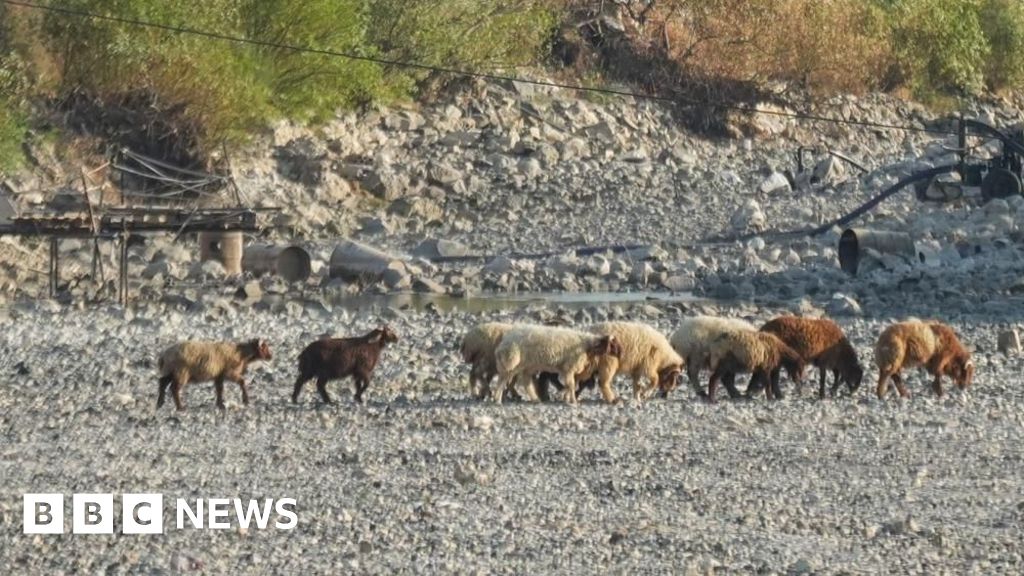
The drought plaguing Syria has led to significant agricultural decline, notably impacting wheat production. In Seqalbia, near Hama, farmer Maher Haddad reported only a third of his usual wheat harvest from his 40 dunums of land, yielding merely 190 kg of wheat per dunum instead of the typical 400-500 kg. With increased costs of sowing and diminished returns, farmers like Haddad are struggling financially and are forced to borrow money to support their families.
This year’s drought, described as the worst in 36 years, has resulted in a 40% drop in wheat harvests across Syria. A report from the United Nations Food and Agriculture Organization (FAO) projects a wheat deficit of 2.73 million tonnes in 2023, enough to meet the dietary needs of approximately 16.25 million people. With nearly 90% of the Syrian population already living in poverty, the situation raises concerns about an impending food crisis. FAO’s senior program officer, Piro Tomaso Perri, indicated that without substantial food aid or wheat imports, food insecurity could reach unprecedented levels by late 2025.
Malnutrition rates are increasing, particularly among vulnerable groups such as children and pregnant women. Farmers are compelled to sell livestock due to decreased incomes, leading to reduced meal frequency. In urban areas, rising prices for staple foods like bread burden families further.
The spike in bread costs is illustrated by the experience of Sanaa Mahamid, a widow with six children, who now finds it difficult to afford basic staples. Previously, a bag of bread cost her 500 Syrian pounds; it now costs 4,500 pounds.
Efforts are being made to provide bread subsidies, but aid officials acknowledge that these are only temporary measures. The FAO stresses the need for sustainable agricultural practices to ensure long-term food stability. Investments in irrigation projects are being prioritized; however, these initiatives require time and funding that many farmers currently lack. As the drought continues, the immediate call for rain becomes increasingly urgent for millions of Syrians reliant on agriculture for their livelihoods.
Source: https://www.bbc.com/news/articles/c70x500lkdno?at_medium=RSS&at_campaign=rss