
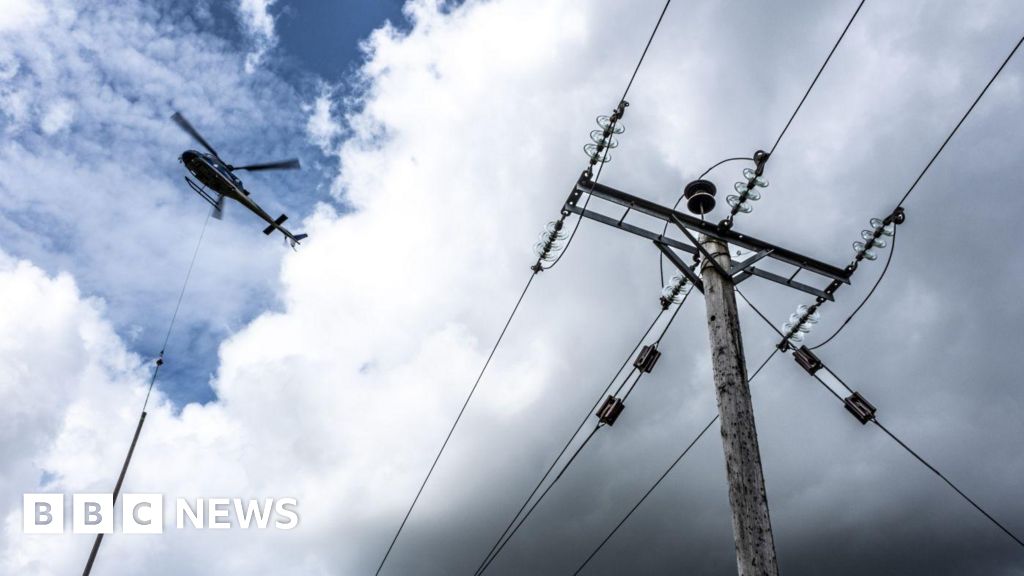
SSE, the company managing the electricity grid in northern Scotland, has unveiled plans to invest £33 billion over the next five years. Approximately two-thirds of this capital will be allocated to enhancing the high-voltage grid capacity, facilitating the transfer of power from the north to southern customers. The investment includes the construction of tall pylons and large substations, which has attracted criticism regarding their potential impact on the Highlands and rural Aberdeenshire.
The remaining third of the investment will focus on upgrades to lower-voltage wiring in areas where SSE maintains a distribution monopoly, specifically northern Scotland and central southern England. This portion will account for £5 billion by 2030, aimed at boosting residential capabilities for heat converters and electric vehicle chargers.
SSE is actively engaged in developing significant offshore wind power projects, including the Dogger Bank wind farm—set to become the world’s largest—alongside the planned Berwick Bank array. The company’s recent share placement raised £2 billion, indicating investor confidence, with SSE’s share price rising significantly.
Under the leadership of new chief executive Martin Pibworth, SSE plans to expand its transmission division workforce fivefold, reaching 2,500 employees. This will involve internal redistribution and recruitment from various sectors, including the offshore oil and gas industry. However, the company is encountering local pushback over 11 major transmission projects, notably a proposed power line stretching 107 miles through the Highlands.
Highland councils have expressed concerns about the environmental implications of infrastructure projects, which require approval from the Scottish government. While Pibworth asserts extensive community consultation has occurred, he acknowledges ongoing discussions about the affordability and practicality of transitioning to green energy. SSE also aims to address housing shortages for its workers by planning the construction of 1,000 new homes, to be converted into affordable housing post-project.
Source: https://www.bbc.com/news/articles/cr7mk5np141o?at_medium=RSS&at_campaign=rss