
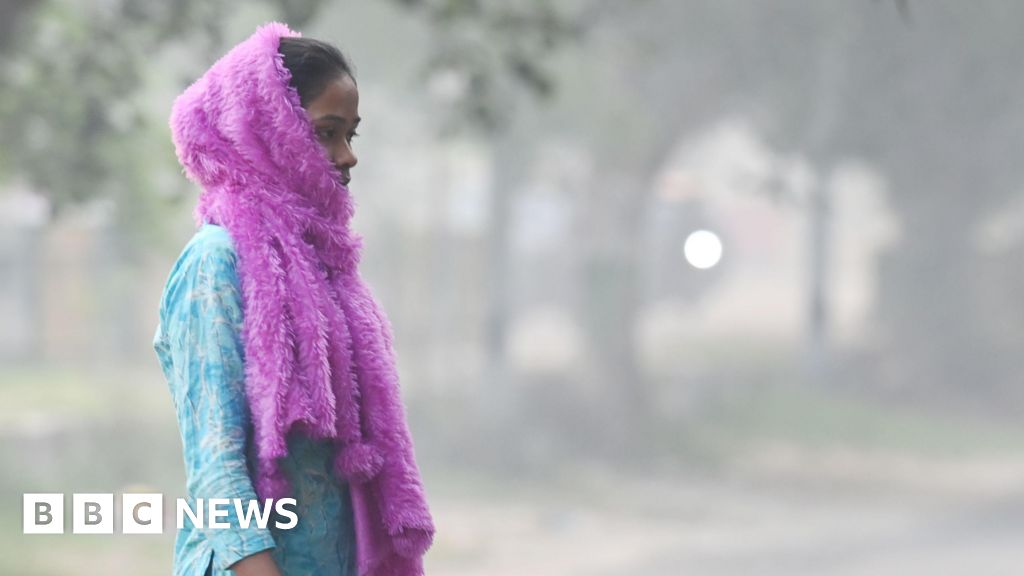
Delhi’s air quality has recently deteriorated to “severe” levels, prompting authorities to implement stricter anti-pollution measures. Schools are now required to conduct hybrid classes for primary students, while non-essential construction activities have been suspended. As of Wednesday, the level of PM2.5 particles reached a concerning 438, as reported by the Central Pollution Control Board, substantially exceeding the World Health Organisation’s safe limit of 15.
In light of these conditions, medical professionals have advised vulnerable populations, including children and the elderly, to minimize outdoor activities and wear protective masks when necessary. The increased air pollution is attributed to various factors, including low wind speeds, emissions from industries and vehicles, lower temperatures, and the seasonal burning of crop stubble in nearby states.
The Delhi government has activated stage three of its Graded Response Action Plan, which includes prohibiting mining and stone-crushing activities and restricting the movement of vehicles that transport dust-generating materials. Despite these efforts, public discontent has surfaced, including protests regarding ongoing air quality issues.
Political tensions have escalated around the air quality debate, with opposition leader Saurabh Bhardwaj alleging that the Delhi government is manipulating air quality data and not adequately protecting public health. In response, the ruling Bharatiya Janata Party has denied these claims, asserting that the government is committed to pollution control. Chief Minister Rekha Gupta emphasized her administration’s perceived seriousness in addressing air quality issues, while Environment Minister Manjinder Singh Sirsa noted that air quality data is transparently available and that measures taken near monitoring sites are intended to minimize dust rather than manipulate readings.
These developments raise questions about the ongoing challenges of air pollution in Delhi and the effectiveness of current governmental strategies in mitigating its impact on public health.
Source: https://www.bbc.com/news/articles/c751yyz44d2o?at_medium=RSS&at_campaign=rss