
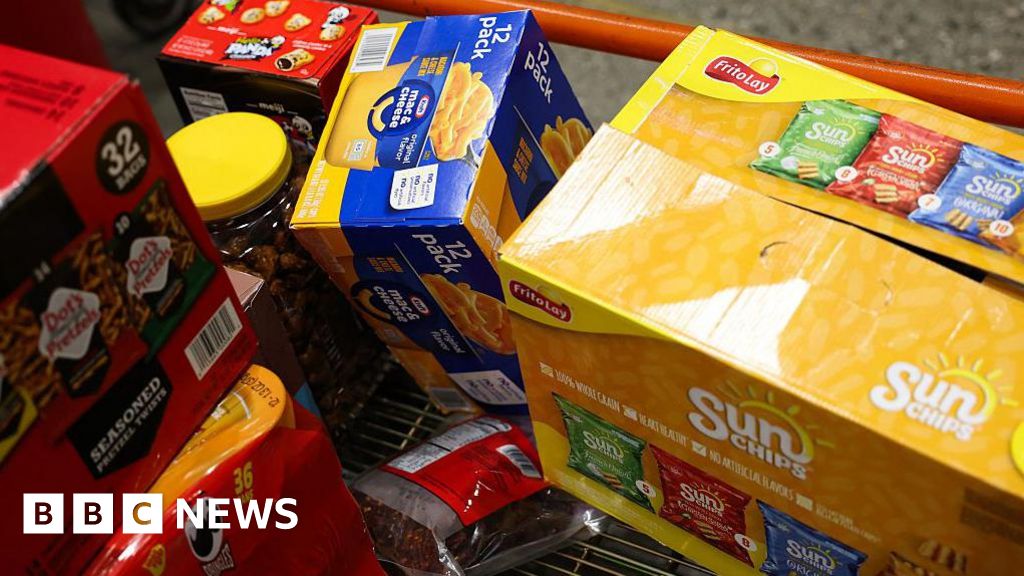
San Francisco has initiated legal action against ten major food manufacturers, alleging that these companies are knowingly selling ultra-processed products linked to serious health issues. The lawsuit, filed in San Francisco Superior Court, claims that practices employed by these food giants parallel those historically associated with the tobacco industry, leading to increased public health costs for local governments.
Companies named in the complaint, including Kraft Heinz, Mondelez, and Coca-Cola, are accused of marketing addictive, unhealthy products in violation of California laws regarding public nuisance and unfair competition. Their product range includes cookies, sweets, cereal, and granola bars. As of now, the defendants have not publicly responded to the lawsuit.
City Attorney David Chiu stated that the food manufacturers need to accept accountability for the public health crisis attributed to their products. In contrast, Sarah Gallo, the senior vice president of product policy at the Consumer Brands Association, noted the absence of a universally accepted scientific definition for ultra-processed foods. She expressed concern that categorizing processed foods as inherently unhealthy might mislead consumers and worsen health disparities. Gallo also mentioned that many manufacturers are reformulating products to include more protein and fiber while reducing sugar and sodium.
The lawsuit highlights a correlation between the rise of ultra-processed foods and a significant increase in obesity, diabetes, heart disease, and other chronic illnesses. San Francisco is seeking monetary penalties and a court order to compel the food companies to amend their marketing practices.
This legal action aligns with broader national concerns about food health standards, which have gained attention across various political factions, including some actions proposed by officials from the Trump administration to regulate food additives. Despite this, a recent case in Pennsylvania was dismissed, indicating some challenges in similar lawsuits.
Source: https://www.bbc.com/news/articles/c93wgeqpv0eo?at_medium=RSS&at_campaign=rss