
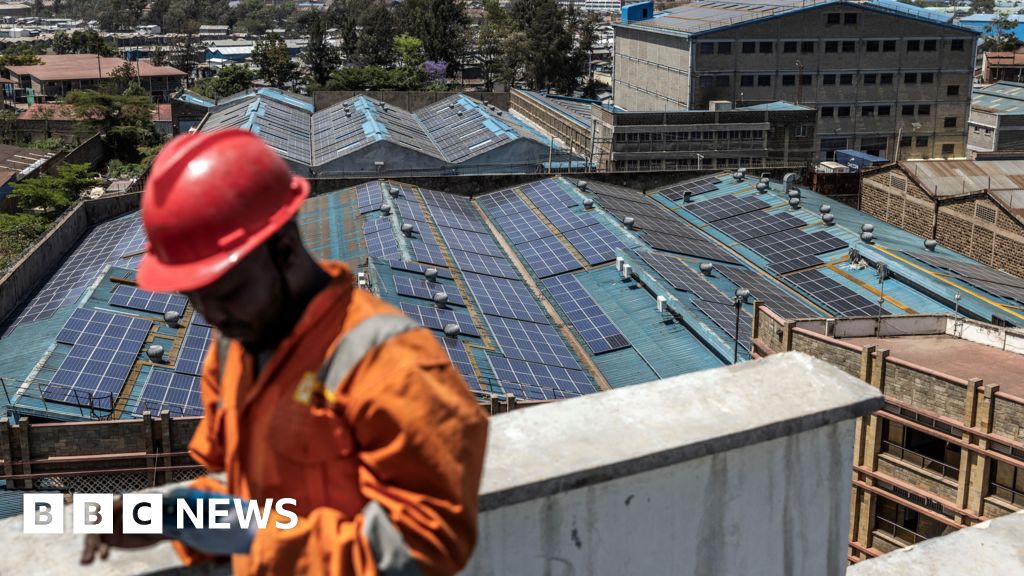
According to recent data from Ember, a global energy think tank, renewable energy sources surpassed coal as the primary source of electricity in the first half of the year. This development represents a significant milestone in the energy sector, as growing electricity demand was met entirely by an increase in solar and wind energy, leading to a slight reduction in coal and gas usage.
While this achievement may appear positive, Ember’s analysis highlights a varied global landscape regarding energy production. Developing nations, particularly China, have made substantial strides in clean energy, while wealthier countries like the United States and various European Union members have increased their reliance on fossil fuels.
Coal remains the largest individual source of energy globally in 2024, according to the International Energy Agency. China’s advancements in renewable capacity are noteworthy, as it has added more solar and wind installations than the rest of the world combined. This growth allowed China’s renewable generation to keep pace with its rising electricity demand, even resulting in a 2% decrease in fossil fuel generation.
Conversely, developed nations such as the US and EU are experiencing the opposite trend. In the US, electricity demand outpaced the growth in clean energy, leading to increased use of fossil fuels. Similarly, the EU has relied more on coal and gas due to longer periods of weak wind and hydropower performance.
Ember refers to this moment as a “crucial turning point,” indicating a potential shift where clean energy might catch up with increasing demand. Solar power has contributed significantly to this growth, meeting 83% of the demand increase. Lower-income countries are leading in solar capacity expansion due to cost reductions, which have seen solar prices decline dramatically since 1975.
However, rapid growth in solar technology is introducing challenges in some regions, like Afghanistan, where the use of solar-powered water pumps may threaten groundwater access. The disparities in energy needs and advancements among nations also make it clear that the journey towards renewable energy adoption remains complex and uneven.
Source: https://www.bbc.com/news/articles/cx2rz08en2po?at_medium=RSS&at_campaign=rss