
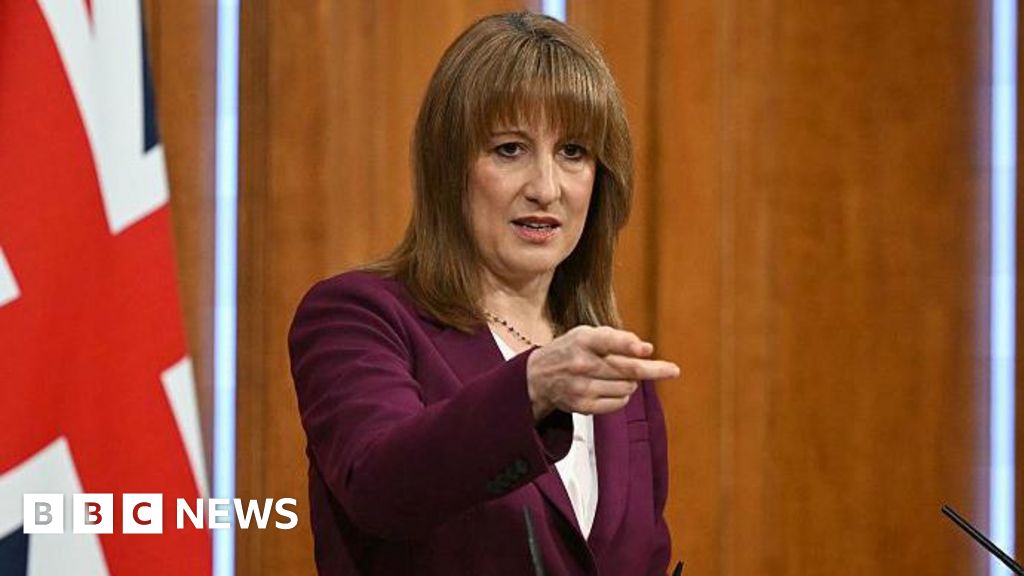
Chancellor Rachel Reeves has indicated that the upcoming Budget will involve significant tax increases, citing past government actions as contributing factors to current economic challenges. She attributes these expected tax rises to prior administrations’ decisions, including the impacts of post-Brexit trading arrangements and austerity measures, which have affected economic productivity.
Reeves noted that productivity has lagged due to insufficient investment, which in turn results in limited economic growth and reduced tax revenues. External factors, such as tariffs and supply chain issues, have also played a role in the economy’s underperformance, though some experts suggest these impacts were foreseeable. For instance, trade tensions from the United States are expected to have minimal effects on growth.
Economists estimate that Reeves may need to implement tax increases totaling around £30 billion to maintain compliance with her financial rules. While she criticized previous Conservative governments for policies that favored political expediency, her own government faces similar financial challenges due to decisions involving welfare adjustments and Winter Fuel Payments.
Moreover, analysts from institutions such as the Bank of England have pointed out that Reeves’ prior tax increases have also hindered growth and contributed to inflation. The forthcoming Budget is expected to clarify which specific taxes will increase, but speculation surrounding income tax rates has intensified. The Chancellor has avoided directly addressing whether her administration will adhere to prior manifesto commitments regarding tax increases, leading to uncertainty about potential changes to income tax, VAT, and National Insurance rates.
There are alternative tax strategies that may be considered, including levies on banks or the gambling industry and adjustments to existing tax thresholds. However, any tax rises could have significant implications for consumer spending and overall economic growth, raising questions about the balance between necessary funding and long-term fiscal health.
Source: https://www.bbc.com/news/articles/c4g35z4ylkjo?at_medium=RSS&at_campaign=rss