
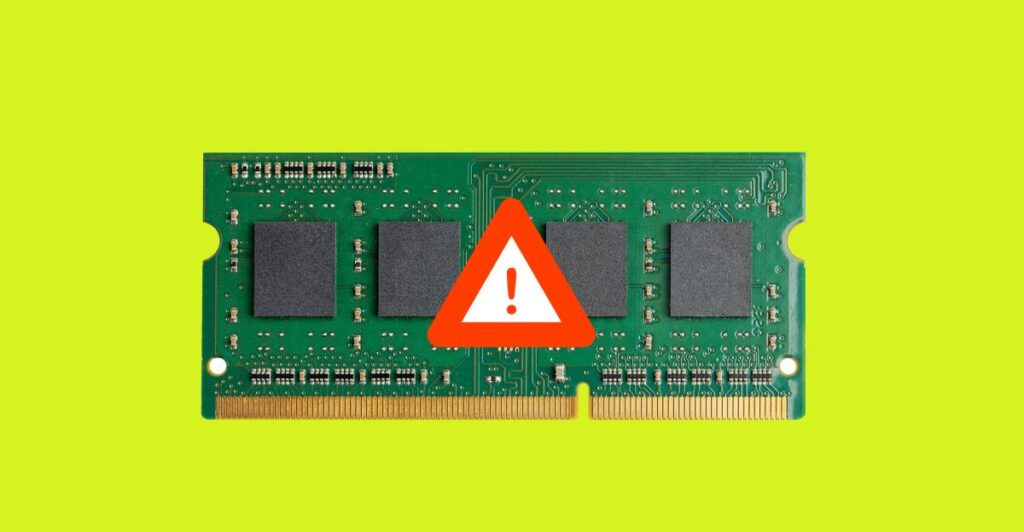
Memory suppliers are facing increased demand for DRAM (dynamic random-access memory), particularly from the artificial intelligence (AI) sector, leading to a shortage that affects various consumer electronics. Major industry players, such as Samsung, SK Hynix, and Micron, currently dominate the DRAM market, controlling 93% of global supply. These companies are prioritizing contracts with data centers over traditional consumer markets, which could have significant implications for prices of smartphones, gaming consoles, laptops, and other devices.
Reports indicate that the cost of memory components such as those in flagship smartphones, like the Samsung Galaxy line, is rising. For example, 12GB of memory in such devices may increase by approximately $40. IDC projects a decline in smartphone sales due to the escalating costs, with average prices set to increase by $9. Manufacturers like Xiaomi have alerted consumers to impending price hikes. Furthermore, companies like Dell and HP are also considering adjustments to their pricing structures, which may include reducing memory specifications in their products.
Prominent memory producers are not rushing to increase production, having recorded significant profits in recent quarters. Micron has recently opted to wind down its consumer-focused brand, Crucial, to cater more effectively to the demand from AI enterprises. A substantial deal between OpenAI and Samsung and SK Hynix for AI infrastructure is projected to consume a considerable percentage of global DRAM output.
The escalating need for DRAM has prompted companies to rethink their supply strategies. The increased allocation of silicon wafers for high-bandwidth memory (HBM) related to AI applications further strains the availability of memory for traditional consumer electronics. Experts warn that PC builders and other industries may face rising prices and a shortage of components in the coming years as the focus on fulfilling AI-related demand continues.
Source: https://www.theverge.com/report/839506/ram-shortage-price-increases-pc-gaming-smartphones