
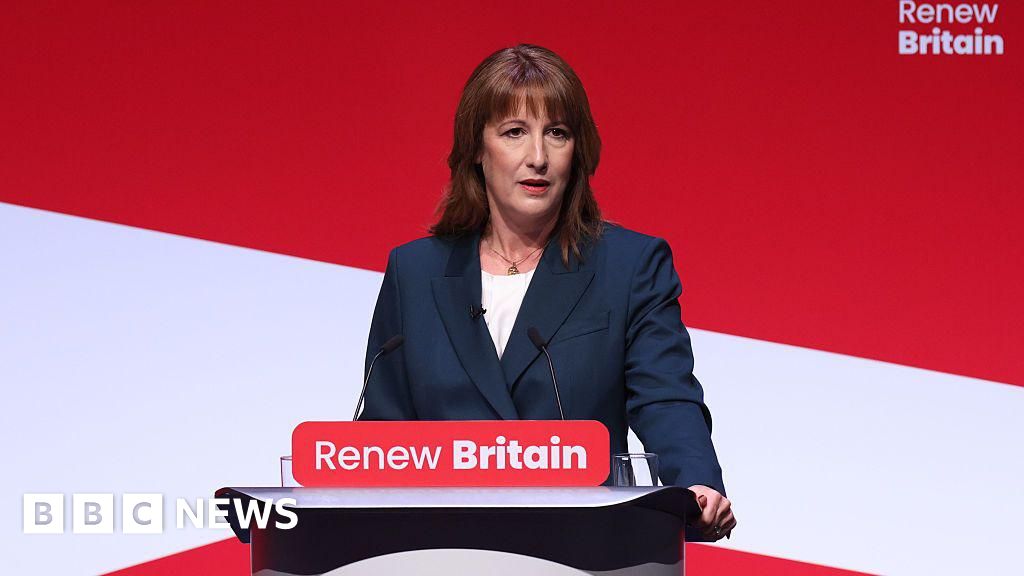
In Liverpool, Chancellor Rachel Reeves indicated potential tax increases in her upcoming November Budget. During her speech, she connected forthcoming difficult decisions to global economic challenges and anticipated findings from the Office for Budget Responsibility (OBR) regarding the UK’s long-term productivity. She stated that “we will face further tests” influenced by both international conditions and ongoing damage to the economy.
Reeves highlighted that challenges such as trade wars, geopolitical conflicts, and rising government interest rates are factors contributing to the changing global economic landscape. The chancellor mentioned a growing recognition of “long-term damage” to the UK economy, suggesting that her predecessors may be responsible for these issues. Emphasizing “responsible management of public finances,” she called for careful financial oversight amid differing opinions from various political factions.
The specifics of proposed policies remain unclear, as they are largely contingent on future interactions between the government and the OBR. In a new development, Reeves confirmed her agreement with the International Monetary Fund to adjust the frequency of fiscal forecasts. Currently, the OBR is mandated to issue forecasts biannually, but this may shift to annually. Such changes appear intended to stabilize the economic environment following a tumultuous year.
Reeves reiterated the commitment established in the election manifesto not to raise main tax rates. When questioned about a potential VAT increase, she affirmed that “the manifesto commitments stand.” However, the flexibility of these commitments may be challenged by the OBR’s forthcoming evaluations. The chancellor aims to protect consumers from increased prices, seemingly ruling out a direct VAT hike.
The OBR’s updated assessments of the UK’s growth rate could significantly widen the public finance gap. Reeves is expected to receive detailed projections on Friday, marking the beginning of a critical phase in formulating tax proposals for the Budget. The government aims to demonstrate how its policy initiatives, including infrastructure projects and enhanced European relations, could foster long-term economic growth. The extent of any tax increases and their implications for the public are yet to be determined.
Source: https://www.bbc.com/news/articles/cj6x07j9e43o?at_medium=RSS&at_campaign=rss