
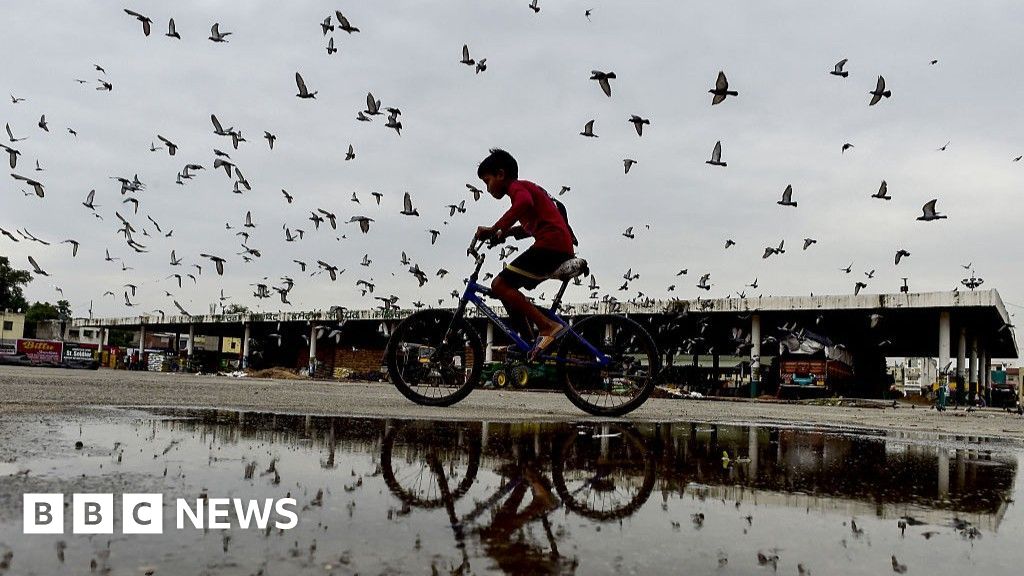
A recent court order banning the feeding of pigeons in public spaces in Mumbai has ignited tensions among civic authorities, public health advocates, and bird enthusiasts. Demonstrations occurred this month as protesters clashed with police over the closure of a long-standing pigeon feeding site, known as a kabutarkhana. Some individuals have threatened to enter an indefinite hunger strike, while police briefly detained around 15 protesters at a separate event.
The ban was enacted due to concerns about health risks associated with pigeon droppings. Such issues are not exclusive to Mumbai; other cities, including Venice and Singapore, have implemented similar restrictions. In India, cities like Pune and Thane in Maharashtra have also limited pigeon feeding, and there is an ongoing discussion in Delhi regarding a ban due to health concerns.
Pigeon feeding has deep cultural roots in India, especially among the Jain community, which views it as a religious duty. Critics of the ban argue that pigeons are an integral part of urban life, with many residents sharing affectionate connections with them. However, health experts have raised alarms, pointing out that pigeon droppings can transmit various diseases. Increasing pigeon populations—over 150% since 2000 according to the State of India’s Birds report—have exacerbated these health risks, prompting recent regulations.
The Bombay High Court recently dismissed a challenge against the feeding ban while prioritizing public health. Meanwhile, some animal rights activists and community members are advocating for a compromise, suggesting regulated feeding times that allow for hygiene management. Civic authorities are considering alternative solutions, and an expert panel has been established to explore further options. Ongoing discussions highlight the need to balance public health interests with cultural practices and the emotional ties many have to pigeons in urban environments.
Source: https://www.bbc.com/news/articles/cvg3mj0vkzro?at_medium=RSS&at_campaign=rss