
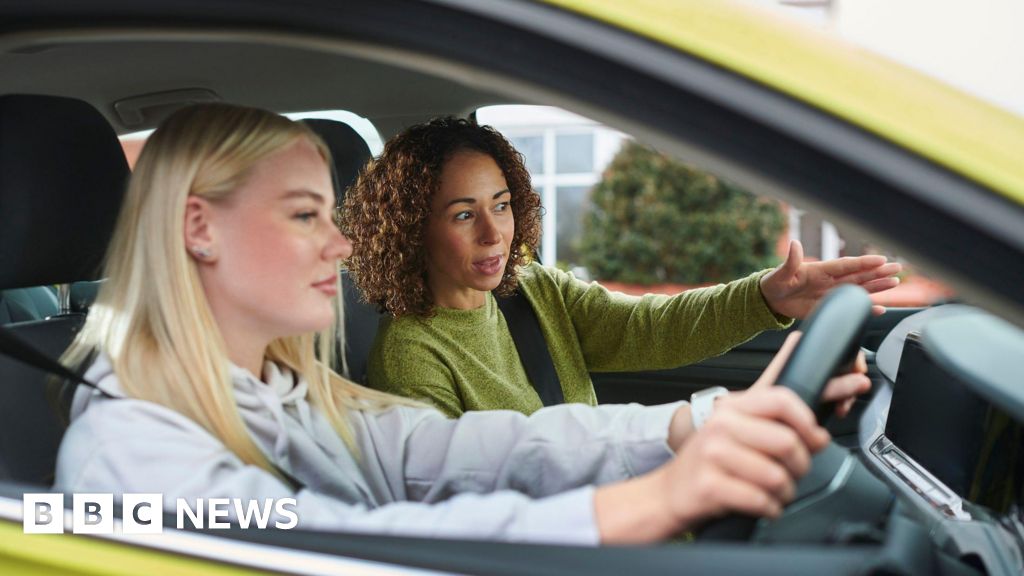
One in four driving tests conducted in Great Britain are now taken in automatic cars, according to recent data from the Driver and Vehicle Standards Agency (DVSA). Last year, approximately 470,000 out of 1.8 million driving tests in England, Scotland, and Wales involved automatic vehicles. This trend seems to correlate with an increasing preference for electric vehicles (EVs) as the UK approaches a ban on the sale of new petrol and diesel cars in 2030.
Emma Bush, managing director of AA’s driving school, observed that the necessity for new drivers to learn manual transmission is becoming less relevant. Automatics tend to simplify the driving process, making it easier for learners. To obtain a full driving license in Great Britain, passing the test in a manual car is required. However, those who pass in an automatic receive a Category B Auto license, limiting them to driving automatic vehicles only.
The change appears to reflect a broader acceptance of electric vehicles, particularly as the 2030 ban approaches. EVs can be more expensive upfront compared to petrol or diesel cars, but their lower running costs may entice potential drivers. In Northern Ireland, driving license regulations differ and follow their own guidelines.
Notably, the number of driving tests taken in automatics has surged from about 87,844 in the 2012-2013 period to nearly 479,556 in the last recorded year, which amounted to around 26% of all tests. The AA predicts this percentage could reach 29% by 2025-2026.
Additionally, a significant shift is occurring among demographic groups. The proportion of men taking driving tests in automatics rose from 23.2% in 2012-2013 to 39.1% last year. Though pass rates for automatic tests were slightly lower than for manual tests last year, the gap has been narrowing since 2012. Would this trend continue as the automotive industry shifts more toward automation and electric vehicles?
Source: https://www.bbc.com/news/articles/c80gk97xe85o?at_medium=RSS&at_campaign=rss