
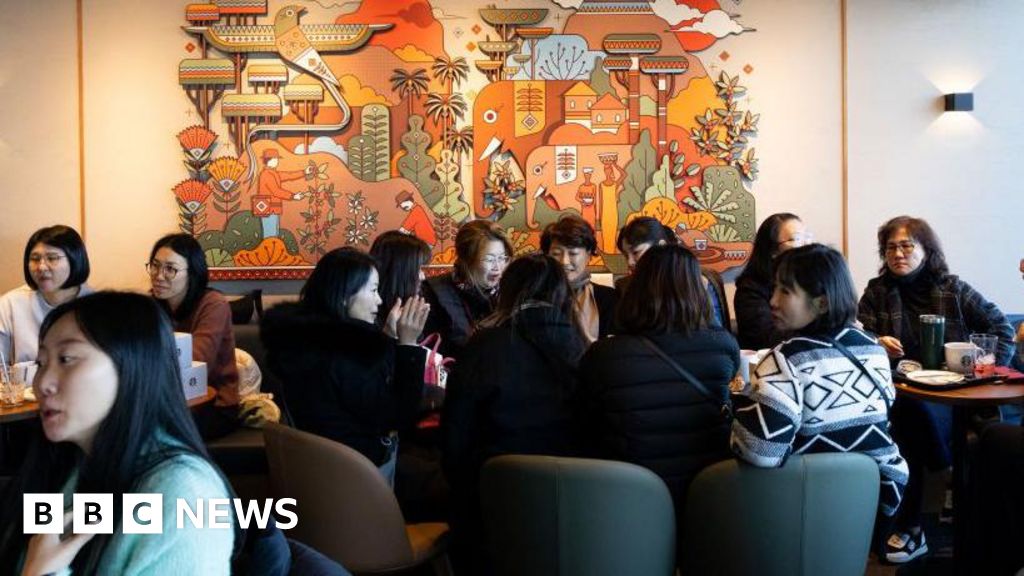
Starbucks in South Korea has implemented a new policy requesting customers to refrain from bringing “bulky items” into its cafes for work purposes. This includes prohibiting the use of desktop computers and printers, which some patrons have been reported to use, along with partitions to designate work areas. The establishment will continue to allow smaller electronic devices like laptops, iPads, and mobile phones.
This decision arises amid a growing trend, referred to as “cagongjok,” where students and professionals use cafes for workspaces, a phenomenon that has sparked discussions in Korean society. Following the pandemic, there has been an increase in remote work, leading to complaints from some customers who feel that individuals occupying tables for extended periods—often with minimal purchases—are unfairly monopolizing space. Social media users have expressed frustrations, with comments highlighting issues such as “freeloading” on electricity and the general decline of social etiquette in public spaces.
In response to the criticism and the need for more accommodating seating arrangements, Starbucks stated their objective is to create a pleasant experience for all patrons. They urged customers to avoid using items that could impede the shared environment and seating availability. This policy aligns with similar actions taken by cafes around the world addressing the challenges posed by remote workers who occupy tables for long durations.
Starbucks aims to maintain its role as a welcoming space for community interaction while balancing the needs of all customers. The situation in South Korea reflects an ongoing debate about cafe culture and the usage of public spaces in the context of increased remote work.
Source: https://www.bbc.com/news/articles/c207v3q9w08o?at_medium=RSS&at_campaign=rss