
Chancellor Rachel Reeves recently presented her Budget, which includes a freeze on income tax thresholds, an increase in minimum wages, and the introduction of a tax aimed at high-sugar drinks, referred to as the “milkshake tax.” The changes are particularly relevant for individuals aged 25 and under.
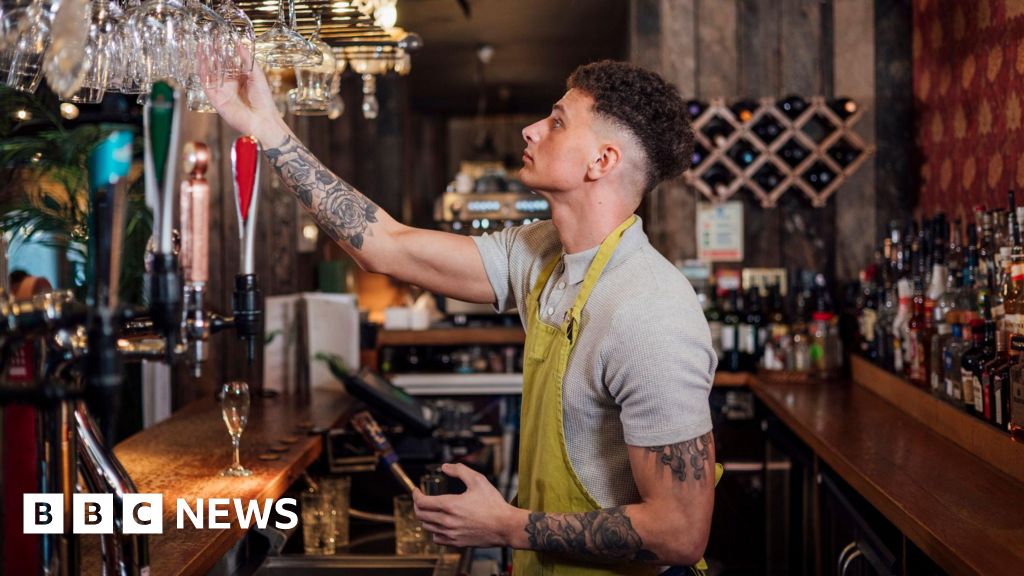
Starting in April, minimum wages will rise, with the largest increase of 85p bringing the hourly rate for 18 to 20-year-olds to £10.85. Under-18s and apprentices will see a 45p increase to £8, while those over 21 will receive a 50p raise to £12.71. It is estimated that 2.7 million people will benefit from these higher wages. However, businesses have expressed concerns that these increases could drive up prices and trigger hiring freezes.
Additionally, the threshold for repaying student loans has been frozen at £28,470 until 2027-28. As a result, workers earning above this threshold will face larger annual repayments than if the threshold had risen with inflation. The Chancellor also introduced an international student levy of £925 per overseas student, aimed at funding maintenance grants for disadvantaged students in priority fields, set to take effect in August 2028.
Reeves proposed a 2% tax increase on rental income, which could lead to a long-term increase in rents, as landlords may withdraw from the rental market. The government has allocated £1.5 billion over five years to assist individuals aged 16 to 24 in finding work or training, which includes a guarantee of paid work placements for those out of employment or education for 18 months.
Plans to remove a tax loophole on small parcels are expected to raise costs for online shoppers by 2029. The “milkshake tax,” effective from 2028, will apply to sugary drinks and pre-packaged drinks with high sugar content.
Reeves also announced consultations for a simpler savings plan for first-time buyers to replace the Lifetime ISA, with a focus on helping young people enter the housing market. Finally, train fares in England will be frozen until March 2027, marking the first freeze on regulated rail fares in 30 years.
Source: https://www.bbc.com/news/articles/cn4dxmg7jyjo?at_medium=RSS&at_campaign=rss