
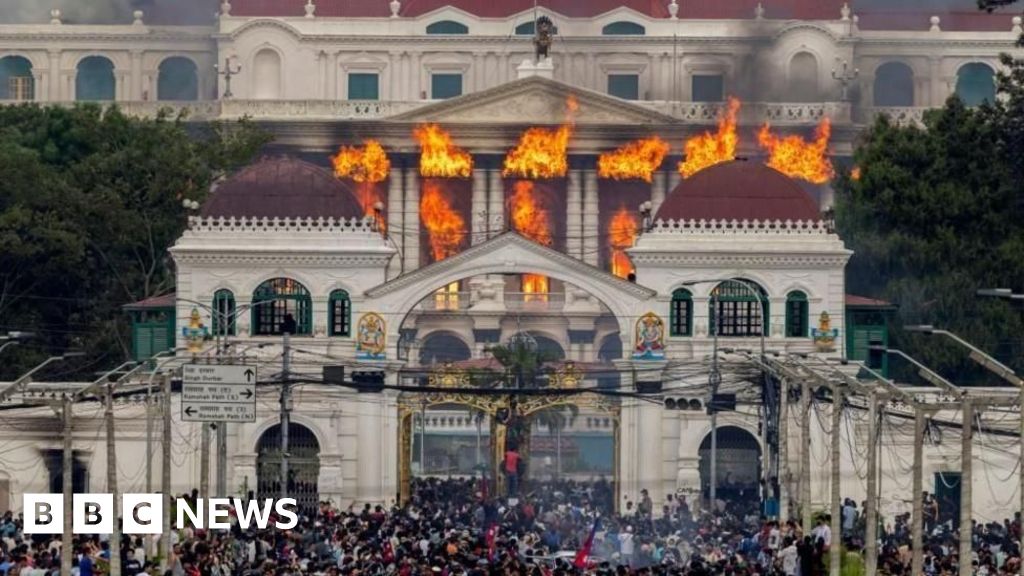
Nepal’s principal political parties are urging President Ram Chandra Poudel to reinstate the parliament, which he dissolved following recent anti-corruption protests that resulted in over 50 fatalities. The call for reinstatement comes from eight major political parties, including the Nepali Congress, CPN-UML, and Maoist Centre, who contend that the president’s actions were unconstitutional.
The dissolution occurred on Friday, based on a recommendation from newly appointed interim Prime Minister Sushila Karki, aligning with the protest movement’s demands. The protests originally intensified after the government announced a ban on 26 social media platforms, including WhatsApp, Instagram, and Facebook. These demonstrations have been marked by significant unrest, leading to clashes with police.
The political parties’ statement, issued on Saturday, was signed by the chief whips and criticized the president’s decision as not adhering to legal precedents established by Nepal’s judiciary. Although the demand for parliament’s dissolution stemmed from student leaders of the “Gen Z” protest movement, the eight political parties believe that the protesters’ appeals, including new elections set for March 5 next year, should be resolved through an elected body.
As of now, President Poudel has not publicly commented on the political statement. Sushila Karki, who has assumed office as the first female leader of Nepal, is expected to form her cabinet shortly. Her administration faces several pressing challenges, such as restoring order, reconstituting parliament, and addressing both the protesters’ demands and broader concerns about the stability of the nation’s democratic framework.
With the military having returned to their bases following Karki’s inauguration, Nepal appears to be on a path toward normalcy after significant unrest. Nevertheless, the tensions that sparked the protests reflect deep-rooted discontent with the country’s political elite, further complicated by the preceding “nepo kid” campaign highlighting allegations of corruption among politicians.
Source: https://www.bbc.com/news/articles/c0q71jplqq0o?at_medium=RSS&at_campaign=rss