
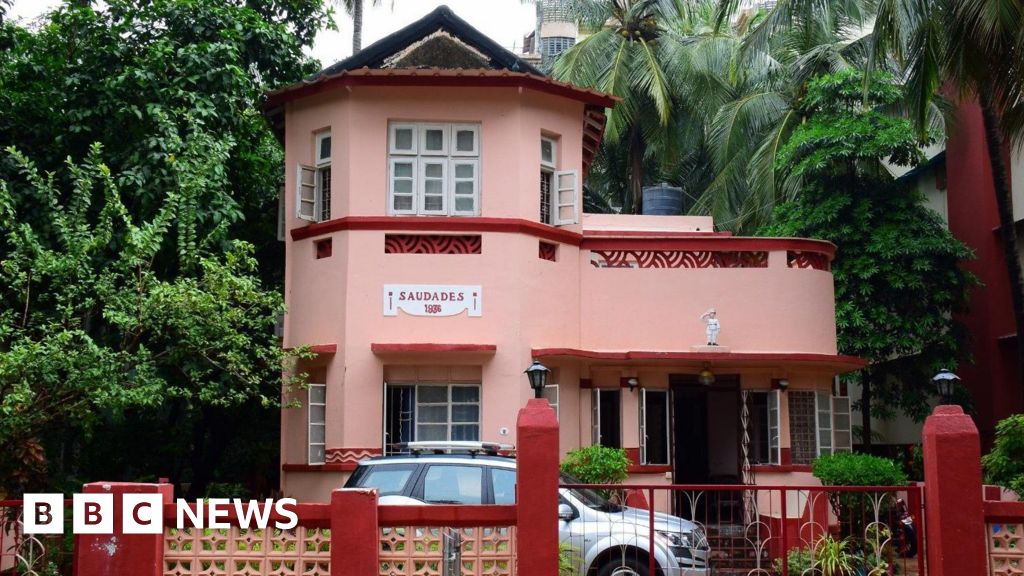
The Art Deco architectural style made its global debut at the 1925 Paris exhibition and has since evolved into a symbol of modernity, influencing building designs worldwide, from Miami’s pastel hotels to Mumbai’s Marine Drive. Characterized by geometric motifs, sweeping curves, and ornate designs, this style represents a significant shift from traditional architectural norms, aligning with the post-war industrial age.
Mumbai boasts one of the largest documented collections of Art Deco buildings, possibly second only to Miami. Noteworthy structures in the city, such as Eros Cinema and Liberty Cinema, exemplify how Art Deco has reached various building types, including schools, banks, and residential establishments. This integration underscores Mumbai’s distinctive embrace of the style, which emerged during a transformative economic period.
Local architects, drawing from experiences abroad, were instrumental in adapting Art Deco’s principles to suit the local context. They incorporated native design elements, reflecting India’s blend of cultural influences. Although initially dismissed by British critics as inferior, the style began to gain prominence, contributing to Mumbai’s diverse architectural landscape.
Despite its rich heritage, many Art Deco buildings in Mumbai face threats from modernization and redevelopment. A significant portion of these structures is unprotected, with over 1,500 documented but only about 70 under preservation. In response, efforts are underway to engage property owners through community initiatives aimed at restoring and maintaining these historic sites, thereby increasing their value.
Contemporary designers, such as Nidhi Tekwani, are also reimagining Art Deco elements for modern living, seeking to retain its essence while adapting to current spatial needs. This fusion of history and modernity may keep the Art Deco spirit alive in a rapidly changing Mumbai.
Source: https://www.bbc.com/news/articles/cx2p2xp19r3o?at_medium=RSS&at_campaign=rss