
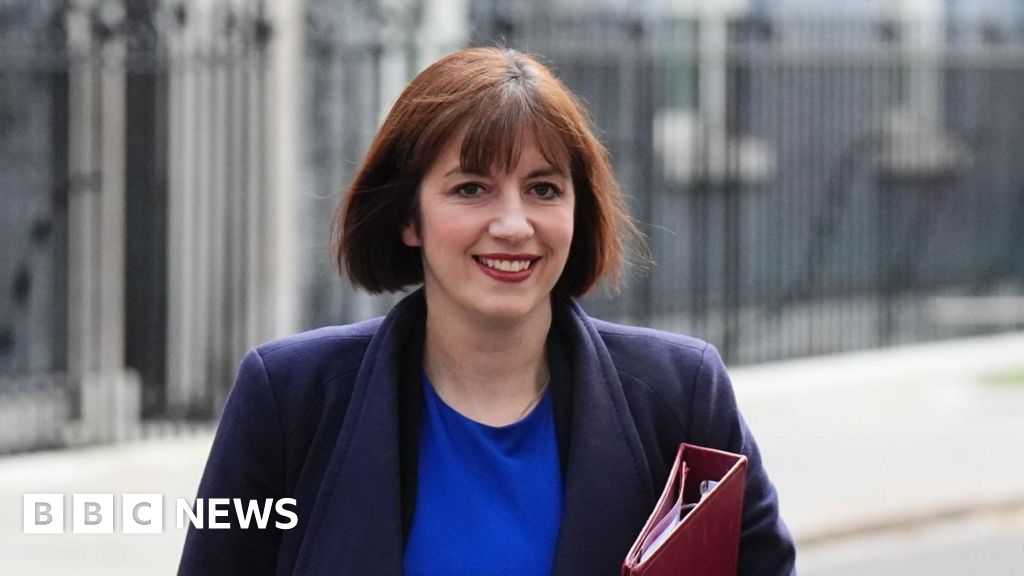
Labour’s education secretary, Bridget Phillipson, has announced changes to the party’s policy regarding workers’ rights related to unfair dismissal. The initial proposition to allow all workers to claim unfair dismissal from their first day has been modified. Instead, the government plans to reduce the qualifying period from two years to six months. This adjustment comes as part of a deal with certain unions and industry groups.
Phillipson characterized this decision as a “pragmatic” approach aimed at facilitating broader benefits within Labour’s employment rights legislation. While business organizations have largely welcomed this change, it has met with criticism from some left-leaning MPs within the Labour Party. The current system allows for legal protections against unfair dismissal only after two continuous years of employment, requiring employers to demonstrate a fair cause for termination.
Originally, Labour intended to eliminate this qualifying period and introduce a nine-month probation period as a safeguard for employers. However, concerns from business groups about the potential negative impact on hiring led to the reconsideration of the proposal. On Thursday, the government announced the decision to implement a six-month period instead, abandoning the new probation period.
Ministers assert that this change does not violate Labour’s election manifesto, which promised basic employment rights from day one. Business Secretary Peter Kyle indicated that the decision was part of efforts to unify stakeholders on the issue. Critics, including union representatives, have raised alarms, suggesting the move breaches the party’s earlier commitments.
The business department confirmed plans to implement day-one sick pay and paternity leave rights by April 2026. The start date for the new six-month dismissal period remains unspecified. Although the government can enact this change without fresh legislation, embedding it into an Act of Parliament was intended to safeguard these rights in the future.
Source: https://www.bbc.com/news/articles/cd9zqx5k8yno?at_medium=RSS&at_campaign=rss