
During a recent meeting at a military parade in Beijing, Chinese President Xi Jinping and Russian President Vladimir Putin discussed the potential for organ transplants to extend human life significantly. A translator relayed Putin’s comments, suggesting that repetitive organ transplantation could lead to rejuvenation, possibly allowing individuals to live well past the current human lifespan, with predictions of living to 150 years in this century.
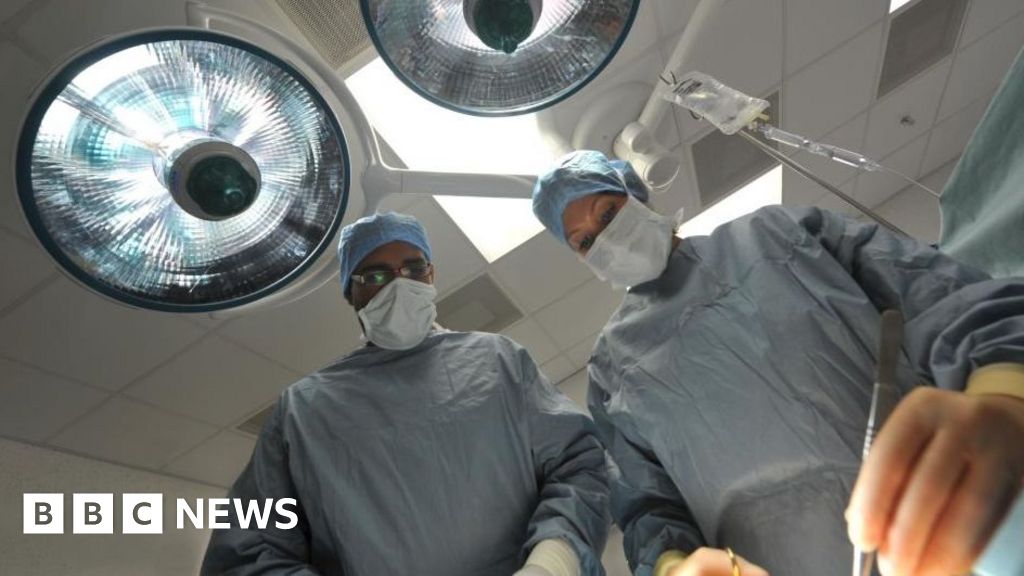
In the UK, over 100,000 individuals have benefited from organ transplants over the past three decades, demonstrating that such procedures can save lives. Advances in medical technology have improved the longevity of transplanted organs. For example, kidneys from living donors can often last 20-25 years, while those from deceased donors typically endure for 15-20 years. The lifespan of other organs, such as livers, hearts, and lungs, varies as well, influenced by the health of both the donor and the recipient.
The discussion between Xi and Putin hinted at the possibility of multiple organ transplants, yet the associated risks of surgery and the need for lifelong immunosuppressive medication remain concerns. This medication can lead to side effects, including increased vulnerability to infections. Additionally, despite ongoing research into creating genetically altered organs and utilizing stem cells, challenges persist in finding fully functional, transplantable human organs.
Innovator Bryan Johnson is also pursuing methods to influence biological age and has experimented with various approaches, though the effectiveness of such interventions is still uncertain. Experts speculate about the biological limits of human longevity, noting that while organ replacement is feasible, other physiological factors may limit our resilience to age-related ailments.
Ultimately, the focus may need to shift from extending lifespan to enhancing the quality of life in our later years. The effects of aging on the body’s ability to withstand stress, coupled with the potential complications of surgical interventions, raise important questions about the implications of living longer.
Source: https://www.bbc.com/news/articles/cly1w9z72r6o?at_medium=RSS&at_campaign=rss