
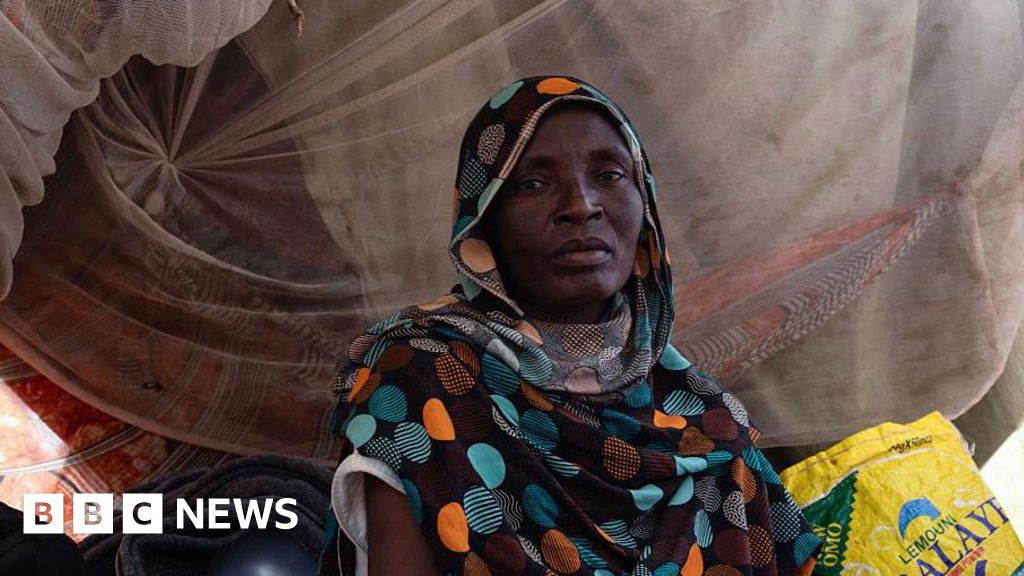
The United Nations has announced the initiation of an independent fact-finding mission to investigate reports of mass killings in the Sudanese city of el-Fasher. UN human rights chief Volker Türk highlighted the insufficient global response to the ongoing civil war in Sudan, emphasizing the need for action against what he termed “atrocities” used to control the population. The civil conflict has resulted in over 150,000 deaths and displaced approximately 12 million people.
The investigation will focus on identifying and holding accountable those responsible for the violence. El-Fasher fell to the Rapid Support Forces (RSF), a paramilitary group, after an 18-month siege and was the last city in Darfur under the control of the army and its allies. The RSF has denied accusations of targeting non-Arab groups in the region.
The civil war, which has lasted for over two years, has seen the dissemination of graphic videos and images of violence online, believed to be produced by the perpetrators themselves. Such digital evidence will be scrutinized in the quest for justice. Mona Rishmawi, a member of the UN mission, remarked that the current situation in el-Fasher is unprecedented, with mass killings occurring in cities rather than isolated villages, prompting comparisons to the past atrocities committed by the Janjaweed militia.
A joint statement from the G7 condemned the escalating violence in Sudan, labeling it the world’s largest humanitarian crisis. United States Secretary of State Marco Rubio urged an international effort to cease weapon supplies to the RSF, implicating various nations in the conflict.
Recent allegations indicate that weapons from nations such as Serbia and China have been used in the conflict. There are suggestions that the UAE is a key route for arms smuggling into Sudan. The UK government has faced criticism for British-made weapons reportedly ending up in the hands of the RSF, but officials assert that stringent controls on arms exports are in place. Despite these measures, a UN arms embargo established since 2004 in Darfur has not been expanded to cover the rest of Sudan.
Source: https://www.bbc.com/news/articles/c70jd4elgwzo?at_medium=RSS&at_campaign=rss