
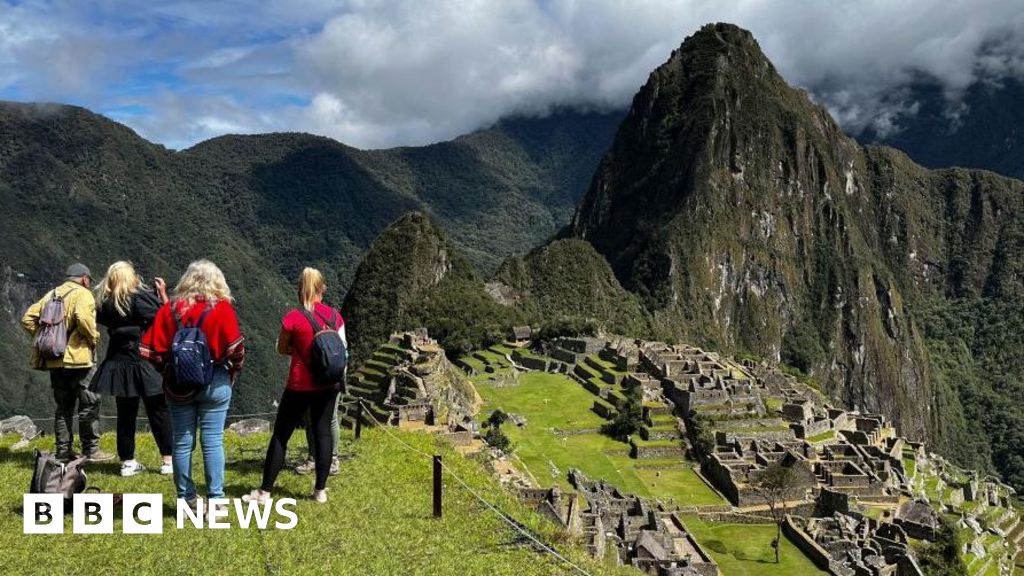
Machu Picchu, a UNESCO World Heritage site and a significant Inca archaeological site from the 15th century, attracts over 1.6 million visitors annually. However, recent disputes over bus transportation have led to the evacuation of approximately 1,400 tourists. The bus service, Consettur, has been operational for 30 years, carrying around 4,500 people daily from Aguas Calientes to the site, a 20-minute journey. The only alternative is a steep two-hour hike.
Conflicts have arisen as Consettur lost its license to a rival company amid claims of inadequate bidding processes. In September, local protestors blocked the railway line to Aguas Calientes, prompting authorities to clear the tracks and evacuate tourists. Many locals express dissatisfaction that Consettur’s previous monopoly over the bus service is being replaced by San Antonio de Torontoy. A round-trip bus ticket costs $24 for foreign visitors and $15 for Peruvians.
Although Consettur’s license expired in September, the company continues to operate pending legal disputes. Cristian Alberto Caballero Chacón, head of operations for Consettur, emphasizes that the company is not a monopoly, asserting that it comprises 12 different local partners, including the district council, which owns a 38% stake.
Concerns extend beyond transportation; Aguas Calientes’ mayor, Elvis La Torre, criticized the limited local revenue from ticket sales to Machu Picchu, claiming that only 10% remains in the region. He advocates for a larger share of revenues to benefit local communities, many of whom lack basic services.
With ongoing instability in Peru’s government affecting tourism management, local leaders are pushing for better-regulated public transport and diversified tourist experiences. Mr. Caballero indicated a willingness to collaborate with San Antonio de Torontoy if necessary, reflecting a desire for improved service in the region.
Source: https://www.bbc.com/news/articles/ce8g8wrd61zo?at_medium=RSS&at_campaign=rss