
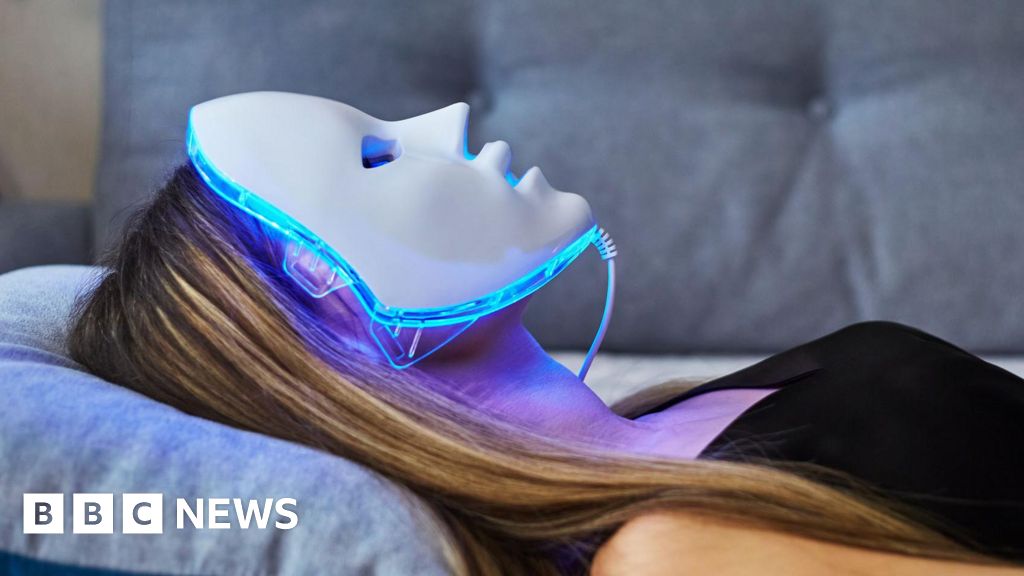
A series of advertisements for LED face masks have been prohibited due to unauthorized claims regarding their efficacy in treating acne and rosacea. The rise of at-home beauty devices has gained traction in recent years, particularly through social media influencers promoting these products. However, dermatologists have expressed differing opinions on whether the light-emitting diodes (LEDs) in these masks provide results comparable to medical-grade devices used in clinical settings.
These advertisements were banned after the Advertising Standards Authority (ASA) identified that the cosmetic devices lacked registration with the Medicines and Healthcare products Regulatory Agency (MHRA), which is essential for making medical claims about specific skin conditions. Registered devices can be found in the MHRA’s Public Access Registration Database (PARD).
LED therapy is thought to stimulate skin cells and promote improvement, but claims about treating conditions like acne and rosacea must adhere to regulatory standards. Dermatologists have raised concerns over the lack of substantial clinical trials supporting the effectiveness of these at-home LED masks.
The ASA’s recent actions followed an AI-driven search for advertisements that violated these rules. One of the banned ads from Project E Beauty featured a woman’s before-and-after images with text claiming, “By week three, my acne had disappeared.” This ad suggested an “83% improvement in acne lesions in four weeks.” The ASA concluded that medical claims could not be substantiated, regardless of customer testimonials. Project E Beauty subsequently removed references to medical treatments from its materials.
In another case, a social media advertisement by Silk’n was banned for implying its device could treat acne. Silk’n acknowledged that the term “acne” signified a medical claim and agreed to revise its advertising language accordingly. Other brands, including Beautaholics and Luyors, also made changes to their marketing practices to avoid making similar claims. The ASA stresses the importance of distinguishing between cosmetic and medicinal claims to protect consumers seeking effective solutions for their skin concerns.
Source: https://www.bbc.com/news/articles/cm2l8jldvjno?at_medium=RSS&at_campaign=rss