
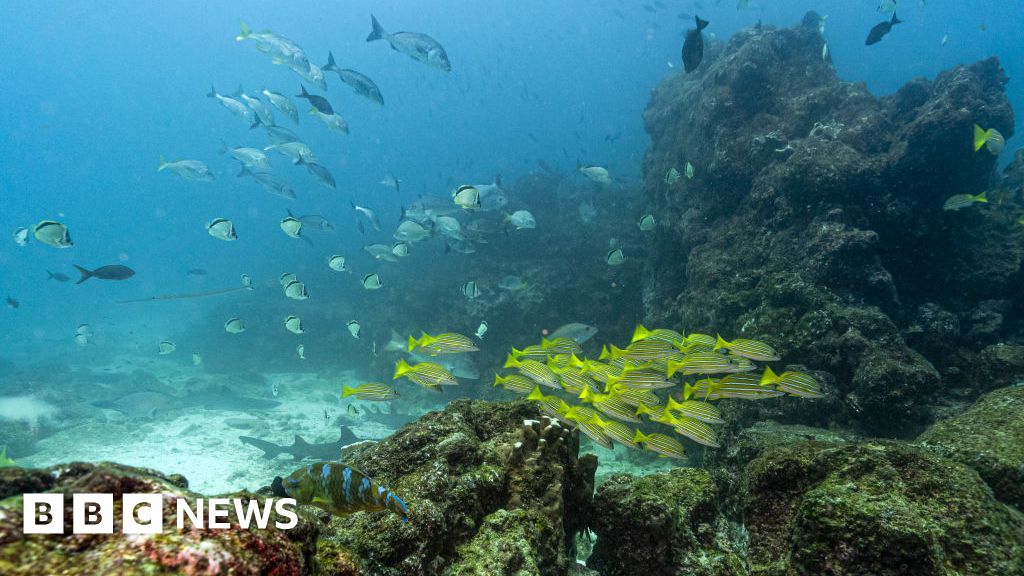
A global treaty aimed at safeguarding the world’s oceans is poised to become international law following its 60th ratification by Morocco. This milestone activates the High Seas Treaty, which will take effect in January. The treaty, two decades in the making, seeks to establish marine protected areas in international waters that comprise more than two-thirds of the ocean.
According to United Nations Secretary-General Antonio Guterres, the agreement imposes binding regulations on the conservation and sustainable use of marine biodiversity. Overfishing, shipping pollution, and climate change have severely affected marine ecosystems, with the International Union for Conservation of Nature (IUCN) reporting that nearly 10% of marine species are currently at risk of extinction.
The treaty’s objective is to protect 30% of both national and international waters, known as the high seas, by 2030 to support the recovery of marine life. However, these waters present a challenge for protection as no single country has jurisdiction over them, and they are open for shipping and fishing by all nations. Presently, only 1% of the high seas are formally protected, putting marine ecosystems at risk.
In 2023, nations committed to the High Seas Treaty with the understanding that it would be enforceable only after being ratified by over 60 countries. The ratification process can often exceed five years, but some experts noted that this treaty was ratified in record time. The UK has recently put forth its ratification bill.
Once the treaty is implemented, member countries will propose marine areas for protection, which must then be approved by a vote among the signatory nations. While the treaty includes a framework for monitoring concerns raised by other nations, final decisions on environmental assessments will be made by individual countries. The ocean remains vital for planetary health, supporting a vast ecosystem that contributes significantly to the global economy and oxygen supply.
Source: https://www.bbc.com/news/articles/cq5j87114deo?at_medium=RSS&at_campaign=rss