
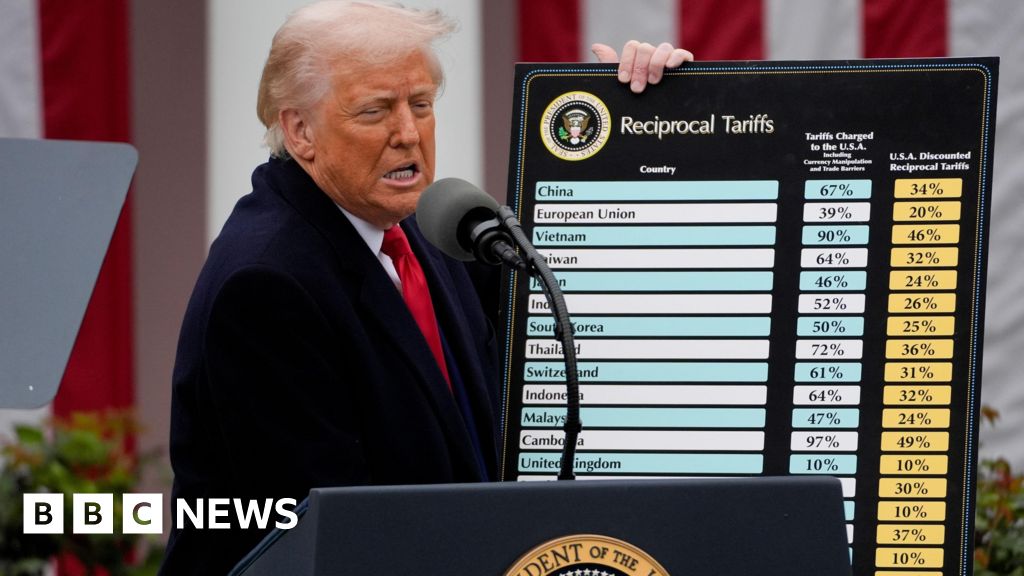
The Supreme Court is currently examining President Donald Trump’s tariffs, which have drawn legal challenges from various small businesses and states claiming that such duties are unlawful. The plaintiffs argue that only Congress has the authority to impose what they describe as a tax.
During the proceedings, justices, including Chief Justice John Roberts and Justices Amy Coney Barrett and Neil Gorsuch, expressed skepticism regarding the government’s rationale for the tariffs, which the Trump administration justified under the International Emergency Economic Powers Act (IEEPA). This law grants the president certain powers to regulate trade during national emergencies. However, the Constitution explicitly assigns tariff authority to Congress, raising questions about the legality of the administration’s actions.
The IEEPA has been invoked by Trump to impose tariffs on goods from countries such as China, Mexico, and Canada, citing emergencies related to drug trafficking and trade deficits. In court, Solicitor General John Sauer defended the tariffs, arguing that unique crises necessitated urgent actions and that invalidating these powers could lead to significant economic repercussions, including trade retaliation.
Opposing counsel contended that the term “tariffs” is not mentioned in the IEEPA, suggesting that such sweeping regulatory power was not intended by Congress. Justice Samuel Alito posed hypothetical scenarios regarding national security and the extent of presidential powers under the law, while Justice Sonia Sotomayor emphasized that tariffs inherently function as taxes.
The debate is further complicated by the potential financial implications, as billions of dollars have been collected through these tariffs. Analysts estimate that the government’s financial liability could escalate if the court rules against the administration, potentially leading to extensive refunds for businesses that paid these tariffs.
The Supreme Court, which consists of a 6-3 conservative majority, typically takes months to issue a decision but may expedite its ruling in this case due to its complexity and significance. The outcome of this case could set critical precedents for presidential authority over trade and economic policy.
Source: https://www.bbc.com/news/articles/c4gp3nj5nj3o?at_medium=RSS&at_campaign=rss