
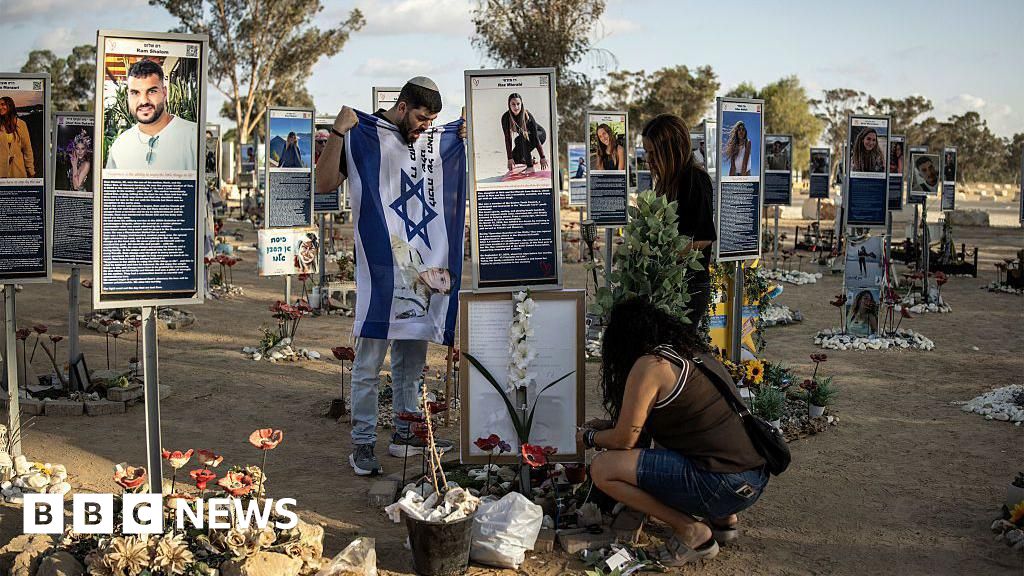
On October 7, 2025, Israelis gathered to commemorate two years since the Hamas-led attack that occurred on the same date in 2023, during which over 1,200 people lost their lives, and 251 hostages were taken back to Gaza. This attack has been described as the deadliest day for Jews since the Holocaust. In response, Israel initiated a military offensive in Gaza, resulting in over 67,000 deaths, according to reports from the Hamas-run health ministry, which are considered reliable by international bodies including the UN.
Prime Minister Benjamin Netanyahu acknowledged the ongoing pain experienced by the nation but emphasized Israel’s resilience. He reiterated his commitment to recovering all hostages, dismantling Hamas, and ensuring that Gaza no longer poses a threat to Israel. On the same day, UN Secretary-General António Guterres reflected on the attack, urging all parties to consider peace negotiations, including a proposed peace plan.
Official memorial activities in Israel are delayed until October 16 due to the Jewish High Holiday season, although private memorial services occurred on October 7. In Tel Aviv, a memorial for the families of victims was organized and broadcasted on national television. Concurrently, indirect negotiations between Israeli and Hamas representatives continued in Egypt to address key issues, including a permanent ceasefire and hostages.
As these discussions unfolded, airstrikes and artillery fire were reported in Gaza, raising concerns among residents about safety. Hospitals struggled with overcrowding and lack of resources, as the region’s health ministry reported that two-thirds of hospitals were out of service. Amidst the ongoing conflict, Israel reported a rocket launch from Gaza but indicated no injuries or damage occurred.
The complexity of the situation persists, as both sides navigate the challenges of negotiations against a backdrop of military actions and humanitarian concerns.
Source: https://www.bbc.com/news/articles/c24rj4pg05no?at_medium=RSS&at_campaign=rss