
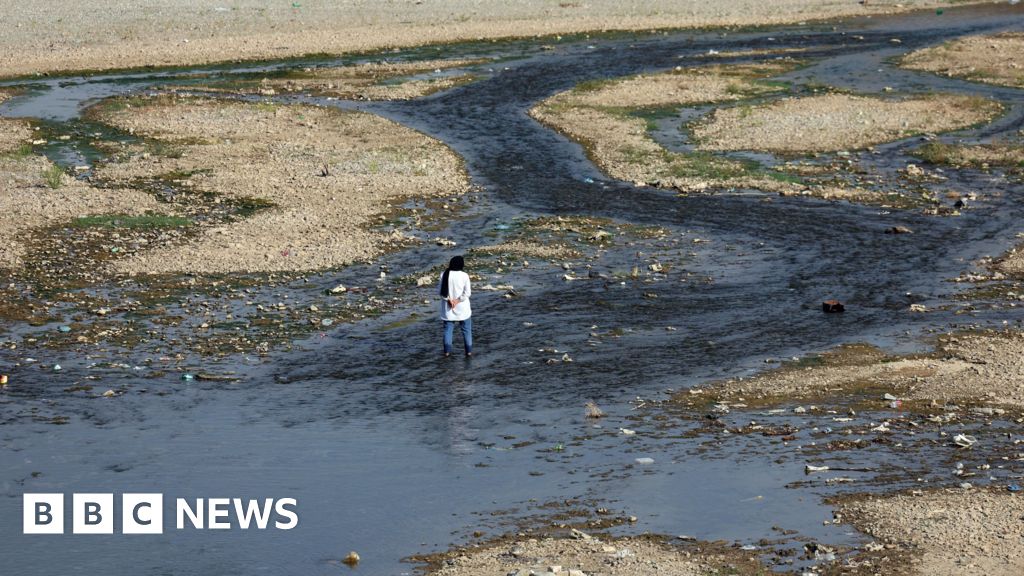
Iran, particularly its capital Tehran, is currently confronting a significant drought this autumn, characterized by record-low rainfall and nearly empty reservoirs. Officials are urging residents to conserve water as the situation escalates. President Masoud Pezeshkian has indicated that water supplies could face rationing if rainfall does not improve soon. He cautioned, however, that rationing alone may not be sufficient to avert a crisis, suggesting that evacuating Tehran could become necessary.
These comments have elicited criticism from various quarters, including former Tehran mayor Gholamhossein Karbaschi, who labeled the evacuation proposal as impractical. Current meteorological forecasts show no expected rainfall over the next ten days, intensifying the existing water deficiency impacting daily life in Tehran, where residents are resorting to purchasing water for basic needs.
The manager of the Latian Dam, a principal water source for Tehran, reported that it currently holds less than 10% of its capacity. Similar alarming conditions are also reported for the Karaj Dam, which serves both Tehran and neighboring Alborz province. In recent addresses, officials noted a dramatic 92% decrease in rainfall compared to the previous year.
Looking ahead, the government has expressed hopes for late autumn rains, yet the outlook remains grim. Ministers warned that water supply restrictions might be necessary, with suggestions that flow could be reduced significantly during certain nights. Plans to penalize excess water consumption among households and businesses have also been proposed.
The crisis extends beyond Tehran, with officials in other provinces like West Azerbaijan, East Azerbaijan, and Markazi reporting dangerously low water levels in regional dams. In Mashhad, the second-largest city in Iran, water reserves in dams have reportedly dropped below 8%, further exacerbating concerns about a wider drought crisis that has been developing for decades. Despite acknowledgment of the looming threat from leadership, effective measures have yet to be implemented.
Source: https://www.bbc.com/news/articles/cy4p2yzmem0o?at_medium=RSS&at_campaign=rss